
EC Cleaners Network · From Requirement to Evidence
Ventilation · Extraction · Planned maintenance · Evidence
Commercial Kitchen Ventilation & Maintenance Compliance
Need to connect kitchen extraction, general ventilation, planned maintenance and system evidence without confusing TR19® Grease, TR19® Air, SFG20 and DW/172?
Commercial kitchen ventilation is not one maintenance task or one certificate. The extract system needs an appropriate design basis, grease accumulation needs managing, general ventilation hygiene has its own technical framework, assets need planned maintenance and unresolved access or performance issues need to remain visible until they are genuinely dealt with.
Cleaning condition, airflow performance, design adequacy and maintenance status are different questions. One contractor report should not be stretched into answers it was never intended to provide.
Where maintenance gaps appear
Problems appear when different parts of the ventilation lifecycle are treated as the same job.
A system can be recently cleaned and still have poor airflow. It can have acceptable airflow but inaccessible ductwork. It can have a sensible maintenance schedule while the asset register does not include the whole system. Strong maintenance keeps those distinctions visible.
The extract has been cleaned but performance is still poor
Cleaning may remove contamination, but airflow, capture, replacement air, controls or system design can require separate technical investigation.
The maintenance schedule only covers the visible equipment
Canopies, ductwork, fans, controls and downstream plant can fall between contractor scopes if the asset structure has not been defined clearly.
Parts of the ductwork cannot be reached
Repeated cleaning visits can reproduce the same exclusion unless the access problem becomes a separate remedial task.
Different reports use different terminology
TR19® Grease, TR19® Air, SFG20 and DW/172 refer to different technical functions. Combining them into a generic “ventilation compliance certificate” can obscure what was actually assessed.
The ventilation framework
What does each standard or maintenance framework actually do?
The useful question is not whether the kitchen is “TR19, SFG20 and DW/172 compliant”. It is which system, risk or asset-management problem each framework is being used to address.
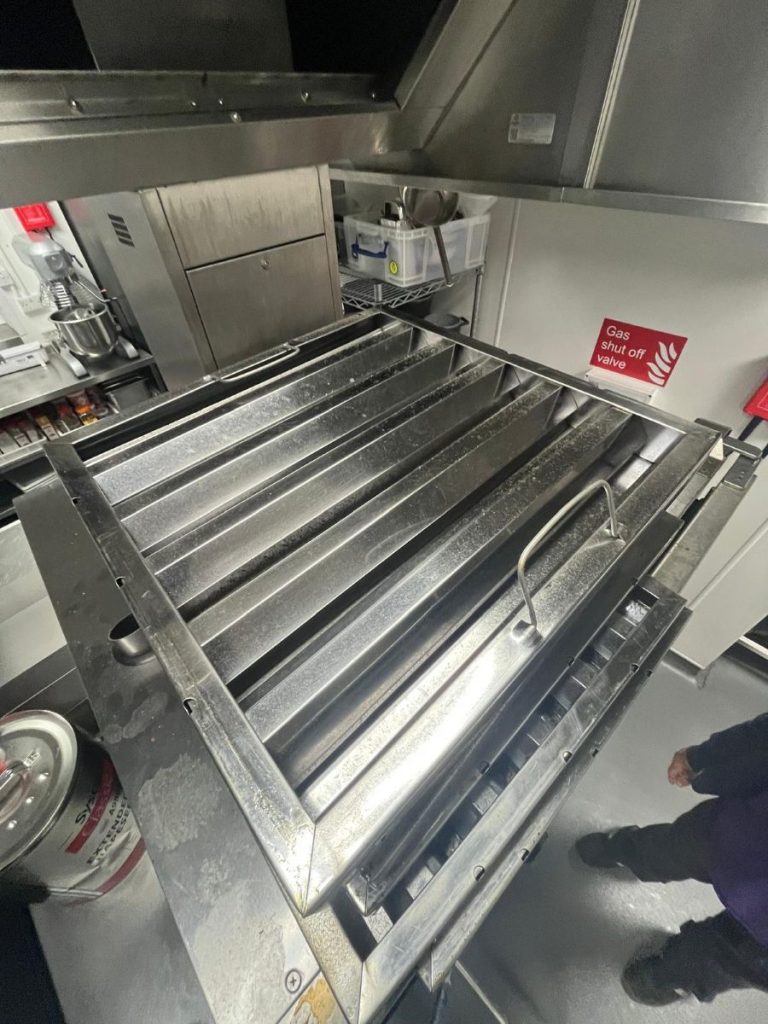
TR19® Grease
The BESA specification concerned with management of grease accumulation and associated fire risk within commercial kitchen extraction systems.
TR19® Air
The separate BESA specification for internal cleanliness and hygiene management of general ventilation systems. The current edition was published in March 2026.
DW/172
BESA’s commercial kitchen ventilation specification covering design, installation and maintenance considerations including airflow, grease separation, replacement air, ductwork and maintainability.
SFG20
An industry building-maintenance specification used to structure maintenance tasks, frequencies, criticality and asset regimes rather than a separate kitchen-cleaning certificate.
Workplace ventilation
Employers need sufficient fresh or purified air in enclosed workplaces. General workplace ventilation is therefore a legal and operational issue separate from the cleanliness of one kitchen-extract system.
Gas interlocking
Where gas-fired catering equipment depends on mechanical ventilation, gas and ventilation controls can require competent assessment and appropriate interlocking.
Manufacturer maintenance
Fans, controls, motors, filters and other plant can have manufacturer-specific servicing requirements that sit alongside industry specifications and the organisation’s planned maintenance regime.
System lifecycle
Design, operation, hygiene and maintenance should remain connected throughout the life of the system.
Many ventilation problems occur because the information created during design and installation becomes disconnected from the people later responsible for cleaning and maintaining the system.
Design
Cooking load, airflow, capture, replacement air, grease control, duct route and system maintainability are established.
Commissioning & handover
System information should give the operator a usable starting point for operation and future maintenance.
Operation
Cooking load, hours, menu and equipment use affect how the extract and wider kitchen environment behave over time.
Maintenance
Cleaning, servicing, inspection, repairs and technical checks need to be scheduled against the relevant assets and risks.
Historic EC Cleaners archive
Different kitchens expose different maintenance problems.
These historic projects illustrate real commercial kitchen and extraction environments. They are used as operating context rather than current Search and Submit Ltd condition surveys or retrospective technical approvals.

Managed property
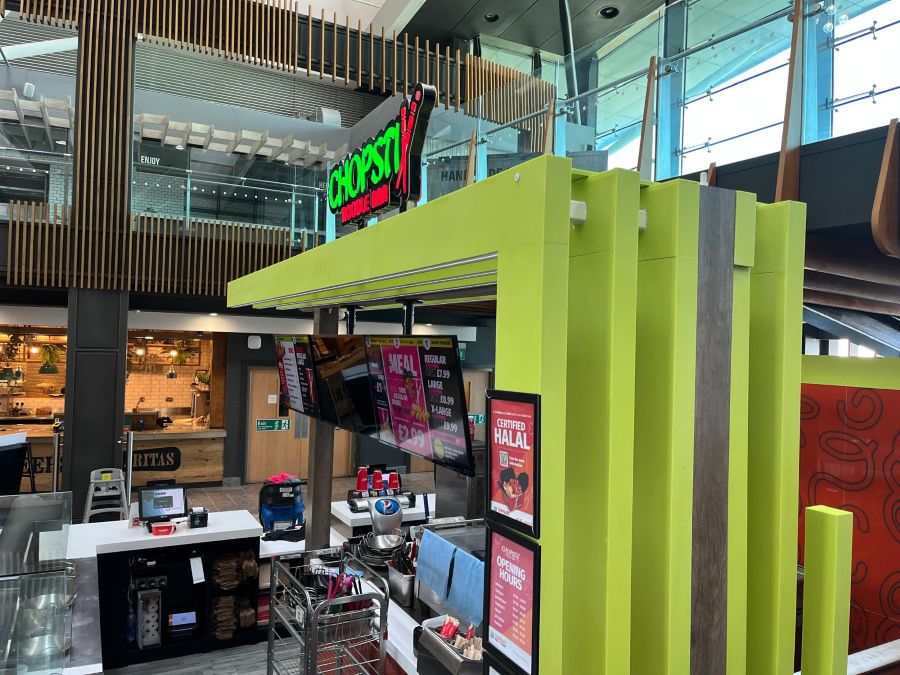
Chopstix · West Quay
A shopping-centre environment illustrates how kitchen systems can sit within landlord plant, access arrangements and wider facilities-management controls.

Access & maintainability
Barton Peveril College · Eastleigh
The historic archive records a duct route with bends and limited access, demonstrating why a system can require enabling work before all sections can be reached properly.

Restaurant ventilation
The Botanist · Bournemouth
A restaurant opening environment shows the importance of connecting cooking equipment, extract canopy, ductwork and fan arrangements before the system enters routine operation.
Existing premises
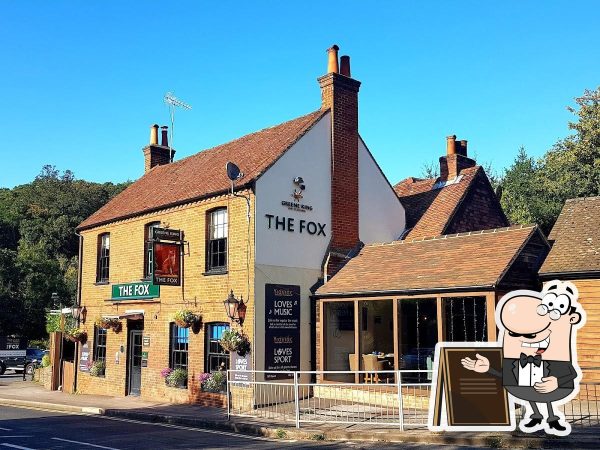
The Fox · Farnham
Older hospitality buildings can contain altered routes, restricted access and plant that has accumulated different maintenance histories over time.
Building the maintenance regime
Start with the asset and the reason it needs maintaining.
A maintenance schedule is strongest when every task can be tied to an identifiable asset, technical basis and required completion evidence.
That prevents estates teams from accumulating unrelated contractor visits while still being unable to answer whether the whole system has been inspected, cleaned, serviced or technically reviewed as required.
Identify the asset
Canopy, extract duct, fan, AHU, supply duct, control, filter, fire-related component or other defined equipment.
Identify the technical basis
TR19® Grease, TR19® Air, DW/172, SFG20, manufacturer requirements, legislation, professional recommendation or another source.
Set the task
Inspection, hygiene assessment, cleaning, servicing, measurement, test, repair or another clearly defined activity.
Appoint appropriate competence
The contractor’s capability needs to match the technical task rather than simply the word “ventilation”.
Define the evidence
Report, photographs, measurements, service record, certification where applicable, exclusions and outstanding actions.
Maintenance evidence
What should a facilities team be able to see after the work?
A useful maintenance record should make it possible to understand what system was addressed, why the work was undertaken and whether anything remains incomplete.
Asset identity
The kitchen, system and relevant component should be identifiable rather than hidden inside a generic site-level certificate.
Task completed
The record should distinguish inspection, cleaning, servicing, measurement, repair or another activity.
Condition evidence
Photographs, readings or observations should be attributable to the component or system concerned.
Access status
Inaccessible or uninspected sections should remain visible rather than being implied complete.
Next action
The maintenance regime should capture further cleaning, access work, technical investigation, repair or review where required.
What the evidence does not prove
Do not make one maintenance record carry the weight of the whole ventilation system.
Different technical questions require different evidence. A clean surface, service sheet or maintenance schedule cannot automatically prove airflow, system design, fire safety or overall legal compliance.
A clean extract does not prove airflow
Performance concerns may require competent ventilation measurements and engineering assessment.
An SFG20 schedule is not proof of completion
The maintenance framework defines the regime; task-level completion evidence still needs to exist.
DW/172 is not a cleaning certificate
It is the kitchen ventilation specification rather than evidence that a particular system has just been cleaned.
TR19® Air is not TR19® Grease
General ventilation cleanliness and grease-laden kitchen extraction remain separate technical workstreams.
Maintenance does not replace professional assessment
Design, gas safety, fire-risk, occupational hygiene or other specialist conclusions remain with the relevant competent party.
Estate & operational context
The maintenance framework can be consistent while the operating environment changes.
Care homes, schools, hotels, restaurants, healthcare estates, food-production sites and multi-site operators can all maintain ventilation assets, but shutdown windows, access, operating risk and reporting expectations differ substantially.
Ventilation & maintenance requirement
Already have a report, maintenance action or ventilation problem?
Send the information already available. EC does not technically inspect or approve ventilation systems, but we can help organise whether the commercial requirement concerns grease extraction, general ventilation hygiene, planned maintenance, access remediation, evidence review or another independent specialist workstream.
Site & system
Premises, kitchen or building area and whether the concern relates to grease extraction, general ventilation or another system.
Trigger
Planned maintenance, existing report, fire-risk action, insurer request, hygiene concern, failure, refurbishment or another event.
Existing evidence
TR19 reports, maintenance records, drawings, asset information, photographs, quotations or professional recommendations.
Known issue
Contamination, poor access, airflow concern, overdue servicing, missing evidence or another defined problem.
Operational constraints
Kitchen shutdown, occupied premises, production, trading, permits, roof access or other mobilisation requirements.
Required close-out
Report, photographs, service record, measurements, certification where applicable or another defined evidence requirement.
Network operator
Search and Submit Ltd
Telephone
Role
Commercial requirement organisation · not ventilation engineering or technical certification
UK coverage
Subject to requirement, geography and independent specialist availability
EC Cleaners Network is operated by Search and Submit Ltd. Search and Submit Ltd does not inspect, clean, test, survey, design, balance, commission, remediate, certify or technically approve kitchen extraction or general ventilation systems and does not create or technically validate SFG20 maintenance schedules.
Independent appointed contractors and competent building-services, ventilation, gas, fire-safety, hygiene and other professionals remain responsible for technical assessment, measurements, system design, physical work, commissioning, reporting and certification within their appointed scope.
TR19® Grease, TR19® Air, SFG20 and DW/172 are separate industry frameworks with different purposes. None should be presented as a single universal commercial-kitchen compliance certificate. Applicable legal, contractual and professional requirements depend on the premises, assets, work and jurisdiction concerned.