
Kitchen Extract Cleaning at The Three Horseshoes, Brighton
Historic Brighton pub kitchen extraction project following an insurance review and fire-risk assessment, with recorded work across ductwork, fans and flue sections.
The project record shows work extending beyond the visible canopy into extraction ductwork, fan components and flue or chimney sections. For a busy pub and dining venue, that meant treating the extraction route as a complete system and planning the work around the building, access and operating environment.
If you already have an insurer request, fire-risk action, previous TR19 report or contractor quotation, send it with the enquiry. The original requirement is usually the best place to start. For current service coverage, see kitchen extraction cleaning in Brighton.
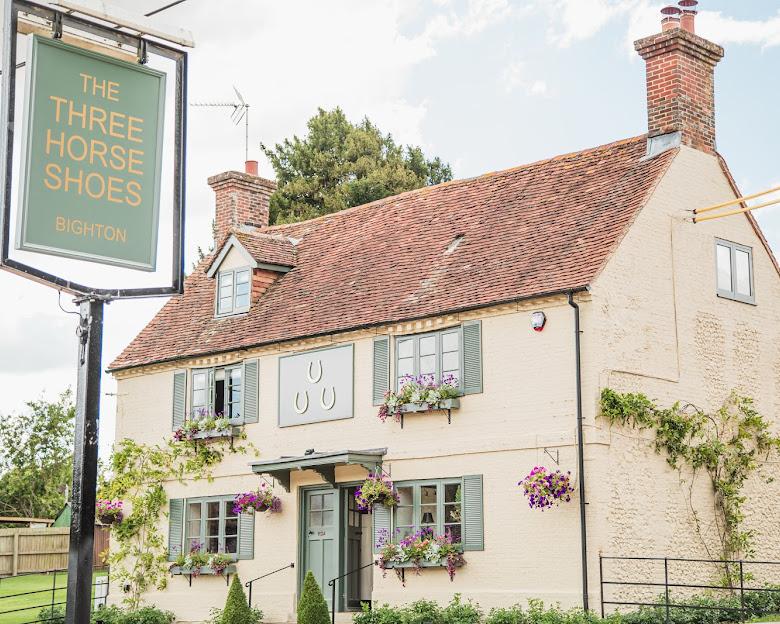
A hospitality site with a clear fire-risk and insurance trigger.
The useful part of this project is the relationship between the reason action was required, the physical extraction route and the evidence needed afterwards.
Client environment
Food-led pub and restaurant in the Brighton area, operating a commercial kitchen with mechanical grease extraction.
Reason for action
The project record states that an insurance review and fire-risk assessment identified the need for kitchen-extraction work.
Recorded scope
The work involved extraction ductwork, extractor fan components and flue or chimney sections rather than only the visible canopy.
Project evidence
The historic record refers to before-and-after photography, reporting and maintenance recommendations as part of the close-out.
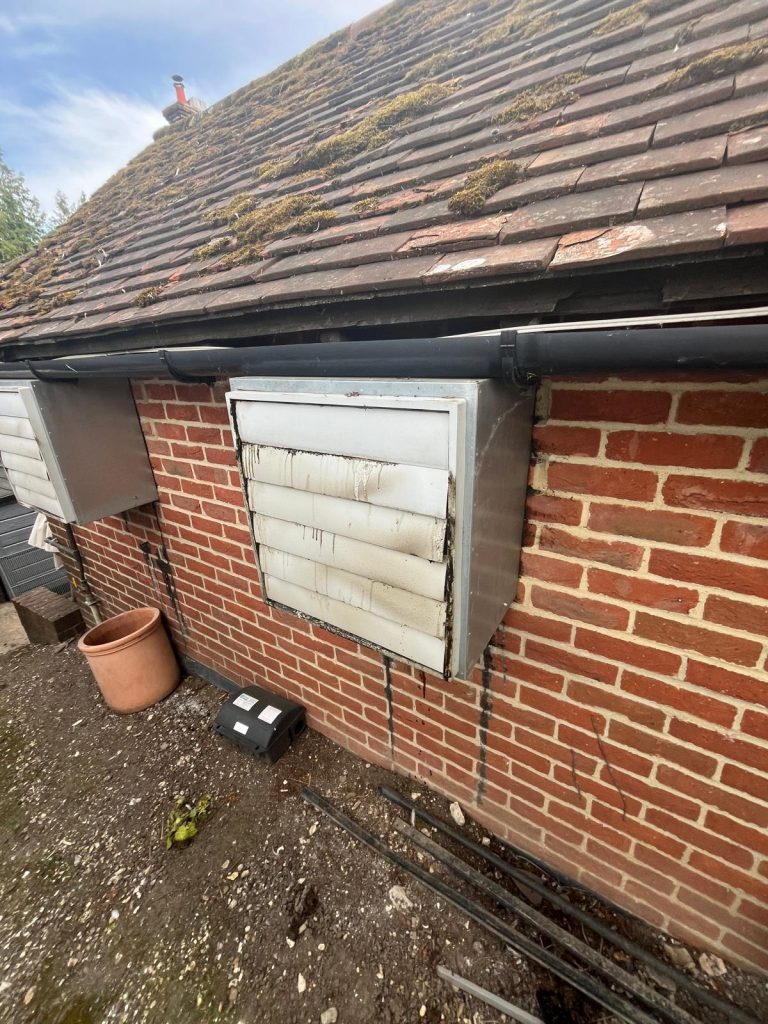
The job was about the extraction route, not just the kitchen canopy.
The recorded project scope included ductwork, extractor fans and flue or chimney sections. That distinction matters because grease-extract systems can continue through concealed or external areas of the building before reaching the final discharge point.
Follow the complete route
A contractor needs to understand how the system runs from the cooking area through ductwork and fan sections to the final discharge.
Identify difficult access before attendance
Externally mounted equipment, roof-level components and older building fabric can affect how the work is planned, priced and carried out.
Work around the operating environment
A trading pub has kitchen service, staff activity and customer-facing operations that can restrict working hours and mobilisation.
Keep the original risk action connected to the scope
Where an insurer or fire-risk assessor has raised the requirement, the physical work and returned evidence should be capable of being related back to that action.
What the historic project involved.
The surviving project record describes specialist kitchen-extraction work across ductwork, fans and flue or chimney sections, supported by photographic reporting. It is a useful example of why a commercial extract instruction needs to identify the system sections being addressed rather than rely on a generic request for a “TR19 clean”.
The photographs show why the building and access route matter.
For facilities and property teams, identifiable project photographs can be more useful than a generic completion statement because they help relate the work to recognisable parts of the actual system.
External route
Extraction beyond the kitchen
The extract route continues outside the immediate cooking area, making external access part of the practical job.

Fan section
Identifiable equipment
The historic imagery records fan equipment as part of the system rather than presenting only general venue photographs.

Internal extract section
Evidence linked to the system
Close-up project imagery helps connect the work to identifiable parts of the extraction system.
A good result starts before the contractor arrives.
When kitchen-extraction work has been triggered by an insurer or fire-risk review, the commercial priority is to make sure the contractor is pricing the right system and that the evidence returned afterwards is useful.
The Three Horseshoes project demonstrates the value of carrying the original risk trigger through the whole process: from scope and access planning to the photographs and reporting retained after completion.
What should you have ready before seeking quotations?
You do not need to diagnose the extraction system yourself. The useful starting point is the information already available about the premises and the reason action has been requested.
Clear information makes a specialist requirement easier to price and easier to close out.
The value is not in claiming that one historic clean guarantees continuing compliance. It is in showing how a real risk-driven requirement can be converted into a defined physical job with a clearer evidence trail.
Send the report, risk action or insurer request you already have.
EC Cleaners Network can help organise the commercial requirement, identify the information that may be missing and approach potentially appropriate independent specialist capability. You do not need to translate a technical report into a cleaning specification before contacting us.
Request a quote for your pub kitchen extraction system
Tell us the site postcode, kitchen operating hours and reason for the work. Include any existing report details, known access restrictions and required completion date. The independent specialist confirms the scope, availability and price for your site.
For planning, see the kitchen extract cleaning cost guide, certificate and report guidance and East Sussex kitchen extract cleaning.
Search and Submit Ltd uses your details to respond and coordinate the enquiry, including sharing relevant information with appropriate independent specialists. Read our Privacy Policy. Please omit unrelated personal or sensitive information.
This case study is based on the surviving EC Cleaners project record and photographs. It is presented as historic project evidence and should not be treated as a current condition assessment, current fire-risk assessment, insurance opinion or retrospective technical approval of the original works. EC Cleaners Network is operated by Search and Submit Ltd. Search and Submit Ltd does not inspect, clean, certify or technically approve kitchen extraction or ventilation systems. Independent appointed contractors and relevant competent professionals remain responsible for technical assessment, safe working, physical delivery, reporting, certification and professional conclusions within their appointed scope.