
EC Cleaners Network · Openings, Takeovers & Refits
When you take over a restaurant, you inherit the kitchen extraction system as it actually exists, not just the latest certificate left in the handover file.
Before opening, establish where the ductwork runs, where the fan and discharge are located, what has been cleaned and maintained, what cannot be accessed, and whether the existing ventilation still suits the equipment, menu and operating pattern you plan to use.
What information have you inherited with the restaurant?
Send the latest kitchen extract report or certificate, photographs, proposed opening date, planned cooking equipment and any landlord, insurer or fire-risk information you already have. If you are changing the kitchen layout or menu, include that as well.
Search and Submit Ltd uses your details to respond and coordinate the enquiry, including sharing relevant information with appropriate independent specialists. Read our Privacy Policy. Please omit unrelated personal or sensitive information.
What should you establish before the restaurant opens?
The first task is to understand the existing extraction system and compare it with the way the new restaurant will operate. HSE guidance says catering ventilation should be designed around factors including maximum demand, the amount and type of cooking equipment, the menu, number of meals and staffing.
That means an extraction system that suited the previous operator may not automatically suit a new cooking load, new equipment or different service pattern.
Do not inherit the previous operator’s assumptions. Inherit the records, then check the system against your own operation.
Restaurant takeover checklist
System route
Find out where the canopy connects, where the duct runs, where the fan sits and where the system discharges.
Cleaning history
Ask for the latest cleaning report, certificate, photographs, deposit readings where available and any recommendations.
Access
Check whether the ductwork, fan and discharge can actually be reached for inspection and maintenance.
Ventilation performance
Establish whether the system captures cooking fumes effectively and whether adequate replacement air is available.
Planned cooking operation
Compare the inherited system with the equipment, menu, production level and operating hours you intend to introduce.
Landlord-controlled areas
Identify roof, riser, ceiling or plant areas that require landlord or managing-agent permission.
Fire and insurance records
Keep any relevant fire-risk actions, insurer conditions and landlord requirements with the takeover file.
Outstanding remedial work
Do not let access problems, repairs or previous exclusions disappear because ownership or operation has changed.
Ask for the records before relying on the certificate
An old certificate can be useful, but it should not be read by itself. Ask for the associated report, system photographs, cleaning scope, exclusions, access limitations and recommended return date.
If the certificate refers only to a previous attendance without making the physical system scope clear, it may not tell you whether the fan, riser, roof ductwork or other less visible sections were included.
The handover question is not simply “was it cleaned?” It is “what system was inspected or cleaned, when, and what remained outstanding?”
Has the menu or cooking equipment changed?
This can materially change the ventilation requirement. HSE says the caterer should provide the competent adviser, designer or installer with information about maximum ventilation demand, the amount and type of kitchen equipment, the menu, number of meals and number of staff.
If the takeover includes new fryers, grills, solid-fuel appliances, higher production or a substantially different menu, the existing ventilation system may need competent review rather than being assumed suitable because it worked for the previous restaurant.
Check replacement air as well as extraction
A commercial kitchen ventilation system does more than pull air through a canopy. HSE says adequate ventilation should remove fumes and excess heat while providing suitable replacement air. Adequate make-up air is particularly important where gas-fired appliances are used.
A takeover is a useful point to identify blocked supply grilles, altered air paths, doors being used as informal make-up air, or building changes that may have affected the balance of the system.
A fan running does not prove that the kitchen has the ventilation it needs.
Find out who controls the fan, roof route and ductwork
Restaurant extraction often extends beyond the kitchen demise. The fan may be on a roof, the duct may pass through another part of the building, or access may depend on a landlord, managing agent or neighbouring occupier.
Those arrangements should be resolved before the first maintenance visit, not discovered after the restaurant has opened. Access restrictions can affect inspection, cleaning, repairs and emergency response.
Should the extraction be cleaned before opening?
That depends on the actual condition, previous cleaning history, time since the last clean, grease accumulation, access and any professional, insurer, landlord or fire-risk requirements that apply to the premises.
BESA describes TR19® Grease as the specification for inspection, cleaning and fire-risk management of grease accumulation in commercial kitchen extraction systems. Where the inherited evidence is poor or the condition is uncertain, a competent contractor should establish what inspection or cleaning is appropriate within the actual system scope.
Check fire-risk and insurance information before launch
If the takeover file includes an insurer condition, fire-risk action, landlord requirement or outstanding recommendation, keep the original wording. Do not reduce it to a generic request for a cleaning certificate.
A previous operator may also have agreed a particular cleaning frequency or evidence requirement with an insurer or landlord. The new operator should establish whether those requirements still apply and whether the intended change in use affects them.
What if you are taking over a restaurant that has been closed?
A period of closure does not answer the condition of the extract system. Old grease deposits, inaccessible ductwork, fan condition, controls and maintenance gaps can still be present even if the kitchen has not traded recently.
The useful question is when the system was last properly inspected or maintained, what the evidence showed at that time and what has happened to the kitchen or building since.
Historic pre-opening project context
The Botanist in Bournemouth is part of the EC Cleaners historic project archive. The project involved the kitchen extraction system, ductwork, fans, canopy and filters ahead of opening. It illustrates why pre-opening work is more useful when the system is treated as a route rather than as a visible hood alone.
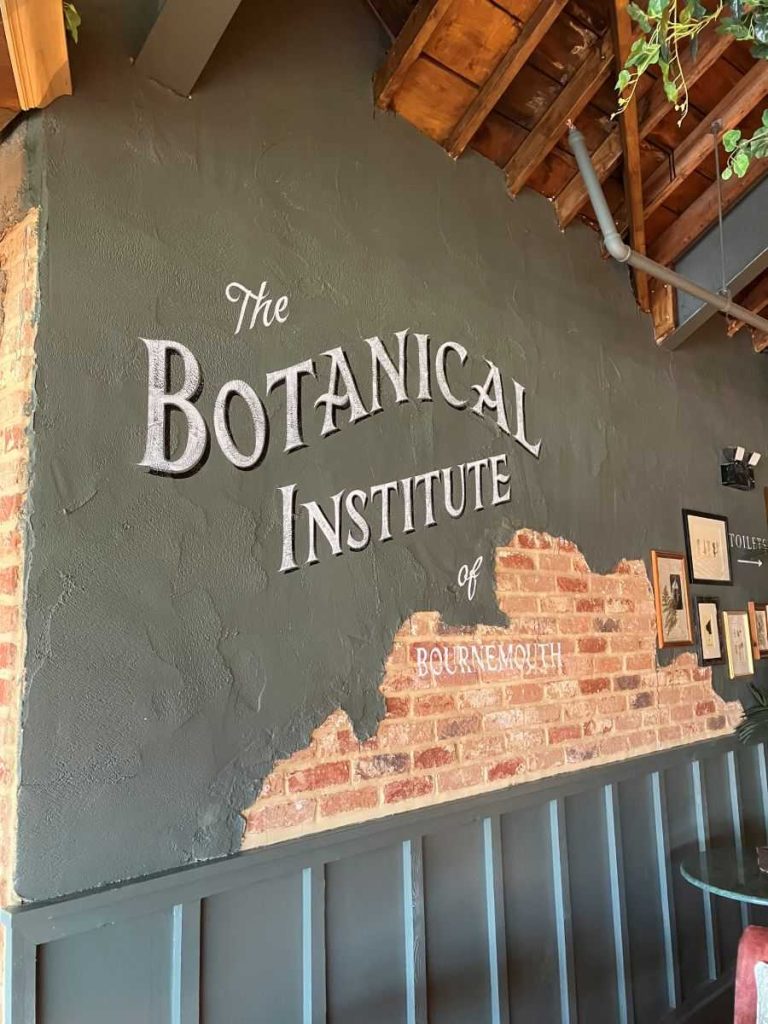
Historic EC Cleaners project imagery is used as project context. It is not presented as evidence of the condition of another restaurant or as a statement that every takeover requires the same work.
What should you ask the seller, previous operator or landlord for?
- Latest extract cleaning report and certificate. Ask for the full report rather than the certificate alone.
- Previous photographs and measurements. These can help identify system sections and condition at the time of the last work.
- Fan and mechanical service records. Keep ventilation maintenance separate from extract hygiene evidence.
- Design or commissioning information. HSE recommends retaining design criteria, commissioning performance, maintenance requirements and test records where available.
- Fire-risk actions. Keep any open kitchen extraction recommendation from the premises fire-risk assessment.
- Insurance requirements. Ask for relevant risk survey or policy wording supplied with the premises.
- Access information. Identify roof keys, landlord permissions, risers, access panels and any known inaccessible sections.
- Outstanding repairs or recommendations. Keep incomplete work visible through the change of operator.
A practical pre-opening sequence
- Collect the inherited evidence. Reports, certificates, photographs, maintenance records and building information.
- Map the extraction route. Establish canopy, ductwork, fan, discharge and access locations.
- Define the new cooking operation. Equipment, menu, hours, production and any solid-fuel or gas use.
- Identify gaps. Missing records, inaccessible areas, uncertain condition or unresolved recommendations.
- Use the right specialist. Separate cleaning, mechanical, ventilation, gas, access and fire-safety workstreams.
- Complete required work. Keep newly discovered exclusions and variations visible.
- Collect the opening evidence. Reports, photographs, certificates and remaining actions.
- Set the next maintenance point. Base future review on the operating kitchen rather than blindly carrying forward the previous operator’s schedule.
What EC can help organise before opening
Existing records
Cleaning reports, certificates, photographs, access notes and outstanding recommendations can be reviewed together.
New operating information
Planned menu, equipment, opening date, trading pattern and practical site constraints can be added to the contractor brief.
Contractor route
Cleaning, ventilation, access, mechanical and evidence requirements can be separated before independent specialists are approached.
Pre-opening evidence
Returned reports, certificates, photographs and remaining actions can be organised for the opening file.
EC does not survey, design or technically approve the inherited ventilation system and does not decide whether the premises is safe to open. Those conclusions remain with the competent contractors and relevant professional advisers within their appointments.
Related restaurant and kitchen extraction guidance
Restaurant takeover and kitchen extraction: frequently asked questions
What should I check about the kitchen extraction before taking over a restaurant?
Check the system route, fan and discharge location, cleaning history, latest report or certificate, known access limitations, current condition, ventilation performance, replacement air, landlord-controlled areas and whether the existing system suits the equipment and cooking operation you plan to use.
Is an old TR19 certificate enough when taking over a restaurant?
No. A certificate can be useful evidence, but it should be read with the system scope, cleaning date, photographs, exclusions, access limitations and any outstanding recommendations. It does not confirm that the system remains suitable for a new menu, new equipment or changed operating hours.
Do I need to clean the kitchen extraction before opening?
That depends on the system’s actual condition, cleaning history, operating history and any insurer, landlord, fire-risk or maintenance requirements. A competent contractor should assess the relevant evidence and physical scope before deciding what work is needed.
What if I am changing the cooking equipment or menu?
The ventilation system may need to be reviewed against the new cooking load. HSE says kitchen ventilation design should take account of maximum demand, the amount and type of equipment, the menu, number of meals and staffing.
What if the fan or ductwork is in a landlord-controlled area?
Confirm access and responsibility before opening. Roof areas, risers, ceiling voids or plant spaces may need landlord or managing-agent permission before the contractor can inspect, clean or maintain the full system.
What records should I ask the previous operator or landlord for?
Ask for cleaning and inspection reports, certificates, photographs, maintenance records, fan service information, commissioning or design records where available, fire-risk actions, insurer requirements and details of any known access problems.
Can EC confirm that an inherited kitchen extraction system is technically suitable?
No. EC can help organise the existing records, questions, contractor route and evidence requirement. Independent competent contractors and relevant professionals remain responsible for technical inspection, design, airflow, gas safety, fire safety and other professional conclusions.
Taking over a restaurant or preparing an existing kitchen for a new opening?
Send the inherited reports, site details, planned equipment and opening date. EC can help organise the extraction history, system scope, access questions, new operating requirements and contractor route so important gaps are identified before the opening date becomes the only priority.
Responsibility statement:
EC Cleaners Network is operated by Search and Submit Ltd. Search and Submit Ltd does not inspect, clean, test, survey, design, remediate, certify or technically approve kitchen extraction or ventilation systems. Independent appointed contractors and competent professionals remain responsible for technical assessment, safe working, quotations, physical delivery, reporting, certification and professional conclusions within their appointed scope.
TR19® Grease and TR19® Air are BESA specifications. References are descriptive and no BESA endorsement of or affiliation with EC Cleaners Network is claimed.