
EC Cleaners Network · Openings, Takeovers & Refits
An existing kitchen extraction system can sometimes be reused during a restaurant refit, but reuse should be based on the proposed cooking operation rather than the fact that the old system is already there.
The canopy, ductwork, fan, discharge, controls, replacement air and access all need to be considered against the new equipment, layout and cooking load. Cleaning condition matters, but a clean system can still be unsuitable for the refitted kitchen.
What are you keeping and what are you changing?
Send the existing extraction records, current and proposed kitchen layouts, equipment lists, opening date and any known fan, airflow, access or contamination issues. Drawings and photographs are useful where available.
Search and Submit Ltd uses your details to respond and coordinate the enquiry, including sharing relevant information with appropriate independent specialists. Read our Privacy Policy. Please omit unrelated personal or sensitive information.
Can the existing system be reused?
Possibly. HSE guidance says existing and planned kitchen ventilation systems should be assessed to make sure they meet the objectives of effective ventilation. These include capturing cooking fumes at source, removing excess heat, providing suitable replacement air, supporting complete combustion where required, remaining cleanable and operating without excessive noise or vibration.
The reuse decision should therefore look at the proposed kitchen as a whole rather than asking whether the fan still turns or whether the previous operator had a cleaning certificate.
Existing does not mean suitable. Reuse should be justified against the refitted kitchen.
What needs to be reviewed before reuse is accepted?
Canopy
Check whether the canopy size, position and capture area remain appropriate for the new appliances and cooking plume.
Duct route
Confirm where the ductwork runs, its condition, access and whether the refit changes or conflicts with the existing route.
Fan
The fan needs to be considered against the new extract demand, not only its previous operating condition.
Discharge
Check whether the existing discharge arrangement remains appropriate for the proposed use and building configuration.
Replacement air
Confirm that the refitted kitchen can replace the air being extracted without undermining capture, comfort or combustion safety.
Controls and interlocks
Any fan controls, demand control, gas interlocks or other linked systems need to remain appropriate after the refit.
Access
Make sure the system can still be inspected, cleaned and maintained after ceilings, partitions and equipment are installed.
Cleaning condition
Existing grease contamination and previous exclusions should be resolved separately from the question of ventilation suitability.
Start with the proposed cooking load
HSE says ventilation design should take account of cooking load, the amount of cooking equipment, kitchen layout and staffing. Its catering guidance also says the operator should provide information about maximum demand, equipment type, menu and meal numbers to the competent adviser or designer.
A refit that adds fryers, grills, wok cooking, solid fuel, more meals or longer operating hours can therefore change the duty placed on the existing system.
Can the existing canopy be reused?
The canopy has to capture heat and fumes from the actual appliances below it. HSE says it should be a suitable size, positioned close enough to the source and have sufficient extraction to minimise fume spillage.
Moving equipment, changing appliance height or introducing a different cooking process can alter the plume. Reusing the canopy therefore depends on the refitted appliance arrangement, not simply its physical condition.
A canopy can be clean and still be wrong for the new appliance layout.
Can the existing fan be reused?
Fan reuse depends on more than whether it starts. The relevant questions include the new airflow requirement, mechanical condition, control strategy, noise, vibration and compatibility with the existing duct system.
HSE gas-safety guidance says a properly designed and fully specified ventilation system with recorded design performance characteristics makes it easier to assess whether the system is appropriate for the load being used.
If those records are missing, further investigation or testing may be needed before the fan’s suitability for the refitted kitchen can be established.
Replacement air may be the limiting factor
Increasing extract duty without considering make-up air can create a different problem. HSE says the ventilation design should take account of the need to replace extracted air and that the replacement air should not impair the performance of flues serving gas appliances.
A refit may also alter doors, windows, ceilings, supply grilles or mechanical air systems. These building changes can affect replacement air even if the extract ductwork itself is untouched.
What about the ductwork and discharge?
The existing duct route may still be usable, but its condition, access, geometry, fire-resisting requirements and relationship with the refitted kitchen need to be understood. BESA’s DW/172 remains the main industry specification for commercial kitchen ventilation design, installation and maintenance.
BESA’s current publication notes that DW/172 includes appliance coefficient schedules for airflow calculation and an updated Appendix D covering fire-resisting and smoke-control ductwork guidance.
Do not design new ceilings or finishes around inaccessible ductwork
A refit is one of the best opportunities to solve old access problems. If previous reports repeatedly identify inaccessible duct sections, missing access panels or difficult fan access, consider those issues before the new ceiling, joinery or equipment layout is finalised.
HSE says suitable access should be provided to ductwork so regular cleaning can prevent the accumulation of fat and other contamination.
A refit should not make an already difficult system harder to inspect and maintain.
Does the existing system need cleaning before it is reused?
That depends on the current condition and evidence. Review the last cleaning date, report, photographs, representative measurements, exclusions and access limitations. Where grease contamination remains, cleaning may be needed before or as part of the refit programme.
Cleaning should not be used to answer a different question about system capacity or design. A newly cleaned system still needs to be technically suitable for the refitted kitchen.
Gas and solid fuel can change the decision
Where new gas appliances are introduced, ventilation and gas-safety requirements need competent assessment. HSE says adequate make-up air is particularly important for gas-fired appliances and that properly functioning ventilation is important to kitchen safety.
Solid-fuel equipment adds additional carbon monoxide and extraction considerations. Do not assume that an inherited system designed for conventional appliances is suitable for a new solid-fuel concept.
Historic restaurant refit context
Restaurant fit-outs work better when the existing extraction system is treated as an engineering asset with a known route, condition, duty and maintenance requirement. Keeping selected parts of the system may be practical, but the reuse decision should follow the proposed kitchen rather than dictate it.
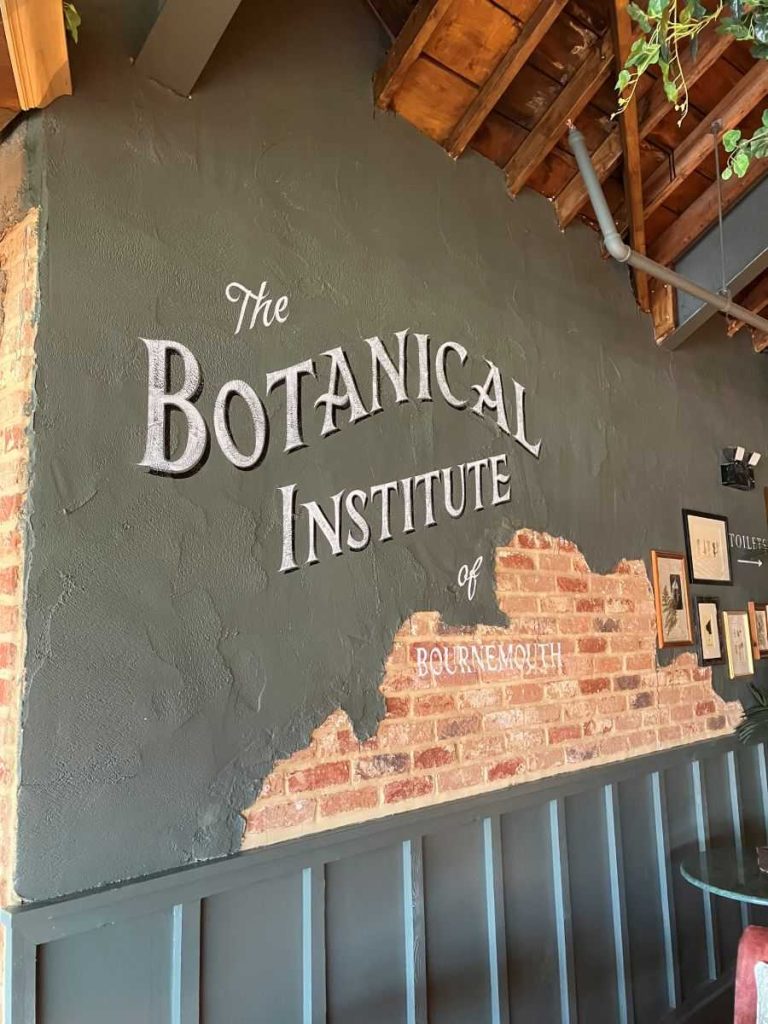
Historic EC Cleaners project imagery is used for restaurant context. It is not presented as evidence that the photographed premises reused, replaced or redesigned its extraction system.
What should go into the refit brief?
- Existing system information. Drawings, reports, commissioning information, fan data and known access issues.
- Proposed equipment. Appliance type, position, fuel and expected use.
- Menu and production. Cooking processes, meal volumes, trading hours and peak periods.
- Proposed kitchen layout. Canopy position, ceilings, partitions, doors and supply-air changes.
- Existing hygiene condition. Latest cleaning report, photographs, measurements and exclusions.
- Landlord and building constraints. Roof access, risers, planning restrictions and common areas.
- Opening programme. Allow time for inspection, design review, enabling access and remedial work before commissioning.
Possible outcomes of the review
Reuse largely as existing
The system may remain suitable subject to condition, cleaning, maintenance and any minor enabling work identified by competent specialists.
Reuse with modification
The canopy, fan, controls, replacement air, access or part of the duct route may need alteration to suit the refitted kitchen.
Retain selected components
Some parts may be suitable for reuse while others require replacement or redesign.
Further technical assessment
Missing records, uncertain airflow or a materially changed cooking load may require testing or design input before a decision is made.
Replace or redesign
Where the inherited system cannot safely or effectively serve the proposed operation, competent designers and contractors may recommend a new solution.
Which specialist route may be needed?
Ventilation assessment
Use competent kitchen ventilation specialists for airflow, system suitability, design and modification decisions.
Extract hygiene
Use competent kitchen extract cleaning contractors where grease contamination needs to be inspected or removed.
Mechanical work
Fan, motor, controls and other mechanical issues require the appropriate competent contractor.
Access work
Resolve access limitations before the refit closes off routes needed for inspection and future maintenance.
Related restaurant takeover and refit guidance
Restaurant refit and extraction reuse: frequently asked questions
Can I reuse the existing kitchen extraction system during a restaurant refit?
Possibly, but it should not be assumed. The existing canopy, ductwork, fan, discharge, controls and replacement air should be considered against the proposed cooking equipment, layout and operating load before reuse is accepted.
What parts of the extraction system should be reviewed during a refit?
Review the canopy, plenum, duct route, access, fan, discharge, controls, replacement air and any safety interlocks, together with the proposed appliances and kitchen layout.
Does a new kitchen layout affect the existing extraction system?
It can. Moving appliances, changing canopy position, adding partitions or altering supply-air routes can change the way cooking fumes and heat are captured and removed.
Can I keep the existing fan if I install more cooking equipment?
Not automatically. The fan and wider system should be assessed against the new ventilation demand. HSE guidance says ventilation design should take account of cooking load, equipment and kitchen layout.
Does reuse depend on the system being clean?
Cleanliness is one part of the decision, but a clean system can still be unsuitable for the new cooking load or layout. Extract hygiene, mechanical condition and ventilation suitability should be considered separately.
What if parts of the ductwork are inaccessible?
Known access limitations should be resolved or clearly accounted for before reuse is accepted. Inaccessible sections can affect inspection, cleaning, maintenance and confidence in the existing system condition.
Who should decide whether the system can be reused?
That conclusion should come from competent independent ventilation, mechanical, gas or other relevant specialists within their appointed scope. EC can help organise the existing evidence and contractor route but does not technically approve reuse.
Planning a restaurant refit around an existing extraction system?
Send the existing records, proposed kitchen layout, equipment list and opening programme. EC can help organise the evidence and contractor route so cleaning, access, ventilation, mechanical and design questions are separated before the appropriate independent specialists decide what can be reused.
Responsibility statement:
EC Cleaners Network is operated by Search and Submit Ltd. Search and Submit Ltd does not inspect, clean, test, survey, design, remediate, certify or technically approve kitchen extraction or ventilation systems. Independent appointed contractors and competent professionals remain responsible for technical assessment, safe working, quotations, physical delivery, reporting, certification and professional conclusions within their appointed scope.
TR19® Grease and TR19® Air are BESA specifications. References are descriptive and no BESA endorsement of or affiliation with EC Cleaners Network is claimed.