
Commercial Kitchen Fire Safety, Insurance & Compliance
Has a fire-risk assessment, insurer, broker, risk engineer or previous kitchen-extract report identified action that now needs to be completed?
EC Cleaners Network helps commercial organisations preserve the original requirement, organise the relevant kitchen-extract information, approach appropriate independent specialists and agree what evidence should come back when the physical work is finished.
Already have the fire-risk action, insurance survey, policy condition, broker email, TR19 report or contractor quotation? Send the original document rather than rewriting it. The exact wording often determines the next commercial step.
Start with the document or professional action that created the requirement.
Fire safety and insurance are not proved by buying a generic clean or collecting a certificate. The useful starting point is who has raised the issue, exactly what they have asked for, which system is involved and what evidence they expect to review afterwards.
A fire-risk assessment identifies kitchen-extract action
The assessor’s recommendation should remain the reference point. The physical cleaning, access or remedial requirement can then be translated into a contractor brief without EC becoming the fire-risk assessor.
An insurer, broker or risk engineer requests evidence or remedial work
Use the actual policy wording, survey or risk-improvement notice. Different insurers and premises can have different requirements, frequencies and evidence expectations.
A previous extract report records grease, exclusions or inaccessible sections
The next scope should address the identified problem rather than repeat the same inaccessible areas or vague exclusions on another report.
A landlord, managing agent or client requires close-out evidence
Multi-occupied and professionally managed premises often need a clear record showing what was completed, what remained inaccessible and what further action is still outstanding.

Kitchen-extract fire risk extends beyond the visible canopy.
Grease can accumulate through the extraction route from filters and canopy into plenums, horizontal and vertical ductwork, risers, fans and the final discharge arrangement. The appointed specialist needs to establish which parts of that route are included, accessible and capable of being evidenced.
Canopy, filters & plenum
The visible collection area above cooking equipment is only one part of the grease-extract system.
Horizontal & concealed ductwork
Sections above ceilings or within service zones can contain accumulated grease while remaining invisible during normal kitchen operation.
Vertical risers & building interfaces
Risers can pass through other parts of the building and introduce access, landlord and fire-compartment considerations outside the immediate kitchen.
Extract fan & discharge
The written scope should make clear whether the fan, housing and final termination are included in the specialist work.
Access points & inaccessible sections
If the system cannot be adequately reached, the limitation should remain visible and may require a separate access or remedial instruction.
Do not turn every fire or insurance issue into the same “TR19 certificate” request.
A fire-risk assessment, insurance condition, TR19® Grease report and contractor close-out record can all relate to the same kitchen extraction system, but they do not have the same purpose. Keep each document connected to the decision it is supposed to support.
Real projects show why the trigger, access and operating environment matter.
Historic project evidence is useful because a fire-risk or insurance action becomes a physical job only when the actual system, access constraints and required close-out are understood.
Insurance / fire risk
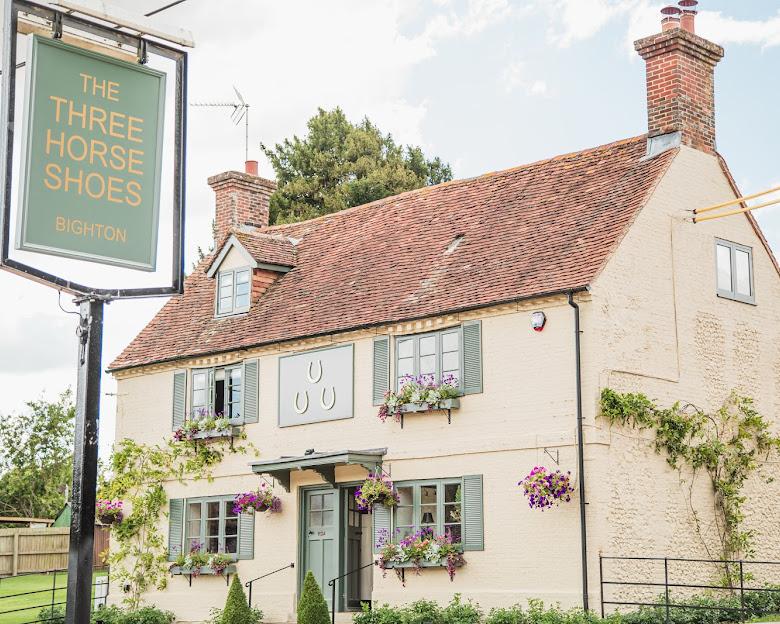
The Three Horseshoes · Brighton
Historic project material records kitchen-extract work following an insurance review and fire-risk assessment.
Access / education
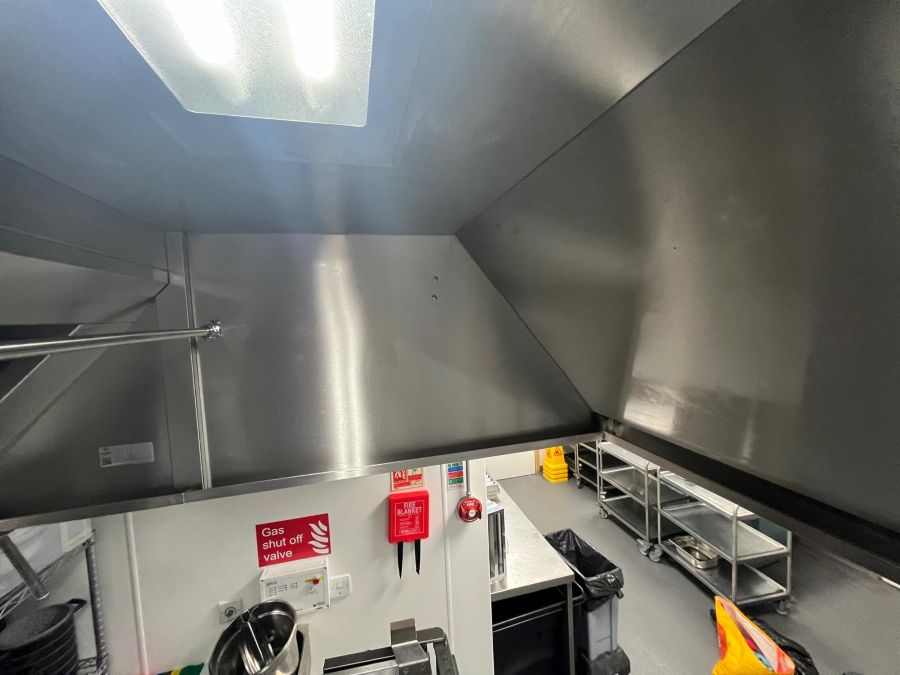
Barton Peveril College · Eastleigh
Historic project material records restricted access, temporary access provision and out-of-hours delivery across an extended extract route.
Opening / mobilisation
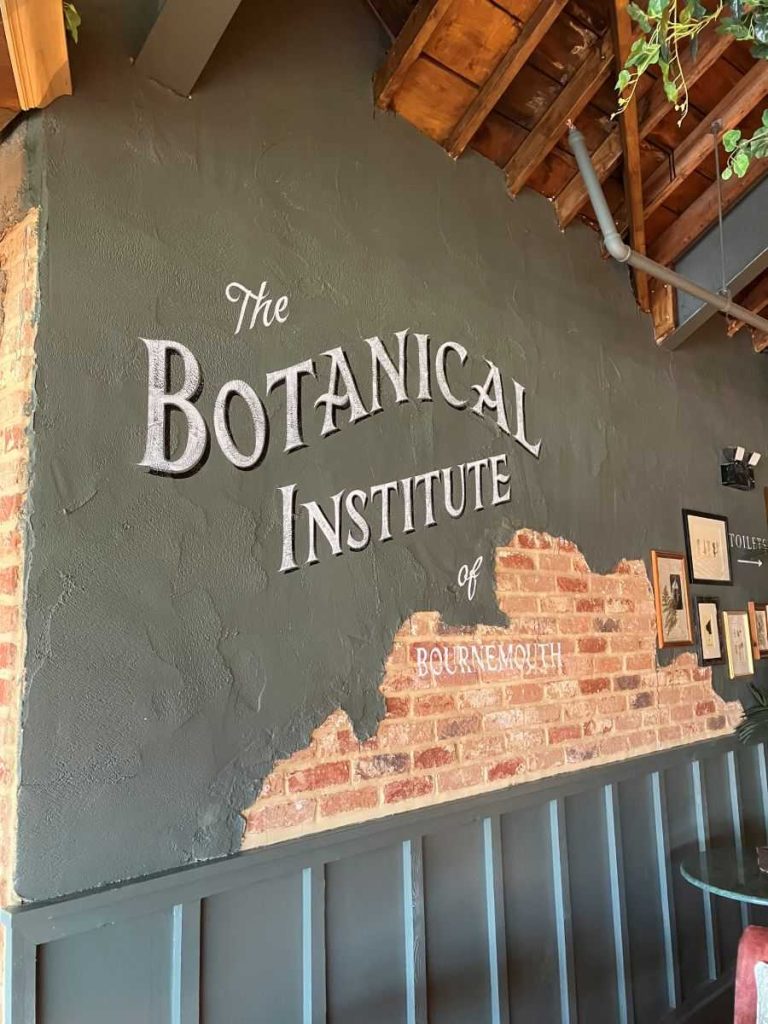
The Botanist · Bournemouth
Historic project material records extraction work within a pre-opening restaurant mobilisation programme.
Operational care environment
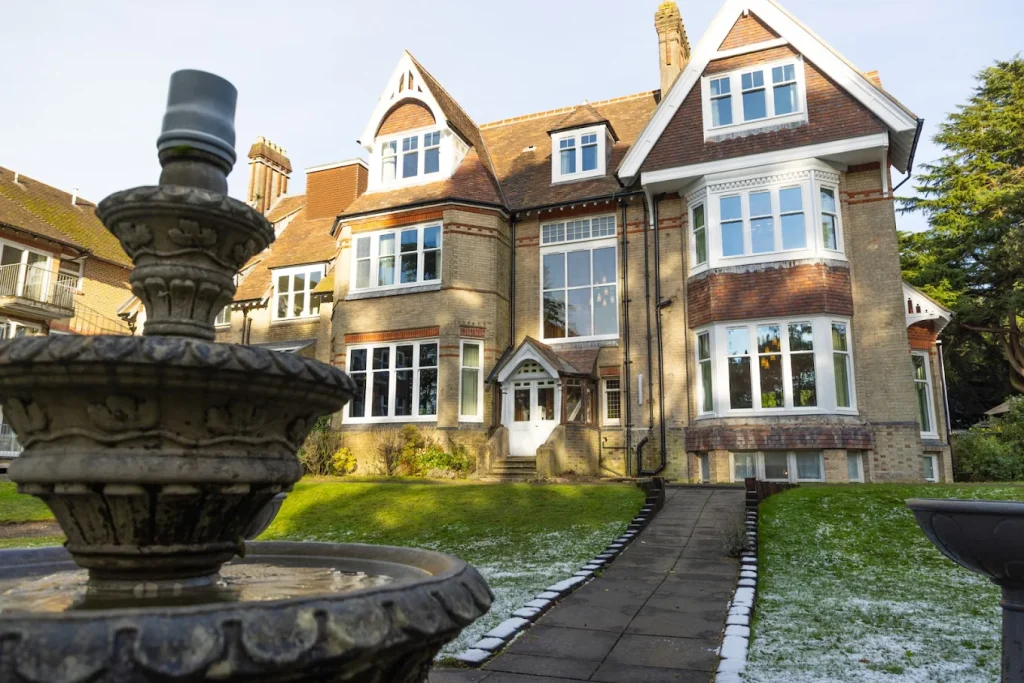
Park Manor Care Home · Poole
Historic project material records kitchen extraction and ventilation work in a live care setting.
These are historic EC Cleaners projects, not current Search and Submit Ltd cleaning contracts.
Turn the action into a contractor requirement without changing what the adviser meant.
The person who raised the professional or insurance requirement should remain responsible for that judgement. EC’s role is commercial coordination around the physical work.
Where a fire-risk assessor, insurer, broker or risk engineer has issued an action, the safest procurement route is to preserve the source document, identify the affected system, organise previous evidence and ask the appointed specialist to assess and quote within its competence.
A certificate should not be asked to prove more than it actually proves.
Useful close-out evidence connects the completed physical work to an identifiable system and records limitations honestly. It can support the responsible organisation, insurer or professional adviser without becoming a substitute for their own decisions.
A recognised technical specification inside a wider fire and insurance framework.
BESA describes TR19® Grease as its specification for managing fire risks associated with grease accumulation in commercial kitchen extraction systems. It supports inspection, cleaning and fire-risk management of the extract system; it is not itself the premises fire-risk assessment or an insurance policy.
Kitchen-extract work is one part of premises fire-safety management.
For non-domestic premises in England, the responsible person must carry out and regularly review a fire-risk assessment, maintain appropriate fire-safety measures and coordinate with other responsible persons where applicable. Kitchen-extract cleaning or remediation may support that process, but it does not replace it.
Have a fire-risk, insurance or kitchen-extract action in front of you?
Send the original action and what you already know about the premises. EC can organise the commercial requirement and approach potentially appropriate independent specialist capability without rewriting the professional or insurance conclusion that created the work.
EC Cleaners Network is operated by Search and Submit Ltd. Search and Submit Ltd does not carry out fire-risk assessments, determine insurance cover, interpret policy liability, inspect or certify premises as fire-safe, or technically approve kitchen extraction systems. Independent appointed contractors remain responsible for technical assessment, quotations, physical cleaning or remediation, safe working, reporting, certification and applicable notifications within their appointed scope. Fire-risk assessors, insurers, brokers, risk engineers, responsible persons and other competent professionals remain responsible for their own decisions and professional conclusions. TR19® Grease and TR19® Air are BESA specifications. References are descriptive and no BESA endorsement or affiliation with EC Cleaners Network is claimed.