
Kitchen Deep Cleaning Aboard HMS Victory, Portsmouth
A kitchen deep-cleaning project aboard HMS Victory following earlier cleaning work on HMS Warrior at Portsmouth Historic Dockyard.
This is an unusual project because the cleaning task sat inside one of the UK’s best-known historic visitor assets. The surviving project record highlights confined working quarters aboard the ship, while the wider dockyard environment places obvious importance on controlled access, careful contractor movement and respect for the asset around the work area.
For historic buildings, museums, ships and public visitor assets, send photographs, access information and any estate or conservation constraints with the enquiry. The working environment can be as important as the cleaning scope itself.
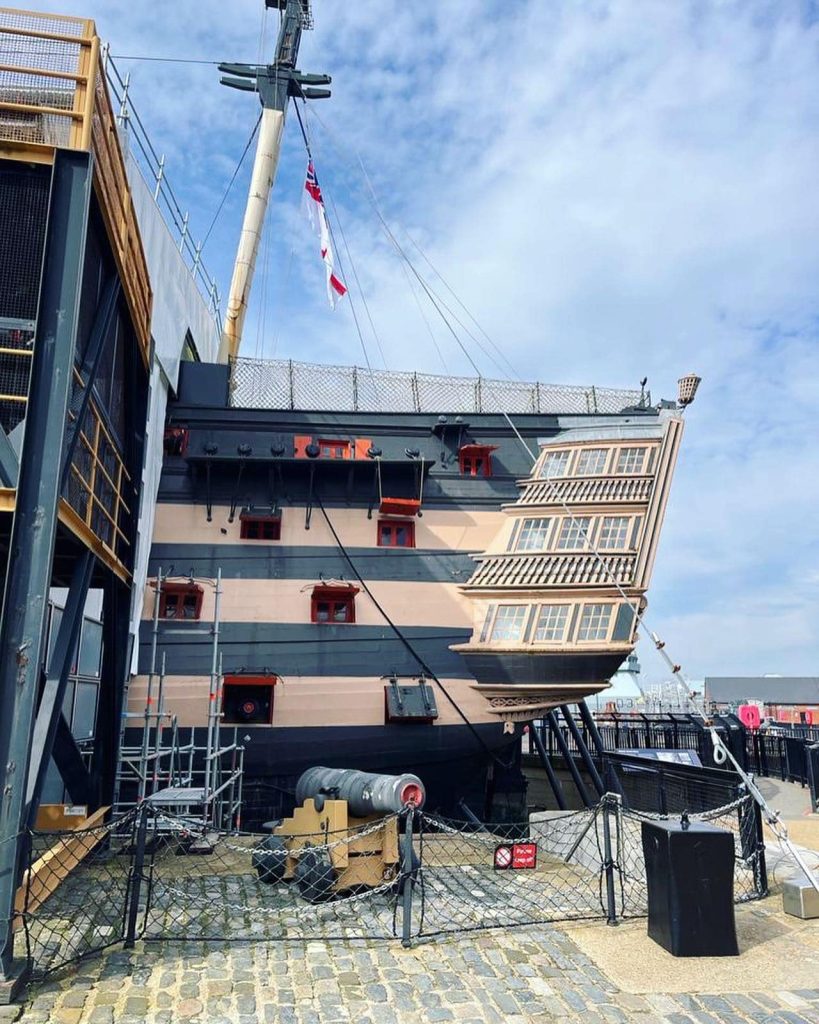
A familiar cleaning task in an exceptional operating environment.
The original project page is brief, but the facts it does preserve are commercially useful: kitchen deep cleaning aboard HMS Victory, earlier related work on HMS Warrior and confined working conditions within a nationally significant heritage and visitor setting.
Historic asset
HMS Victory at Portsmouth Historic Dockyard, a major public visitor attraction and historic naval asset.
Recorded work
The surviving project record describes a thorough kitchen deep clean aboard HMS Victory.
Confined working quarters
The original project description specifically notes the restricted workspace encountered by the cleaning team.
Previous related project
The HMS Victory instruction followed earlier cleaning work aboard HMS Warrior within the same historic dockyard environment.

Historic assets change how ordinary maintenance work has to be approached.
A kitchen may still need practical cleaning, but the surrounding asset can change the contractor brief. Restricted routes, sensitive fabric, public access, security and estate controls can all influence how equipment enters the site, how work areas are protected and what can be altered or moved.
Restricted routes
Historic ships can involve narrow passages, stairs, low headroom and confined workspaces that are very different from a modern commercial unit.
Asset protection
Cleaning methods, equipment movement and temporary protection need to respect the surrounding historic environment as well as the immediate work area.
Visitor operation
Public opening, tours, events and security arrangements may restrict when contractors can mobilise and which routes they can use.
Escalate unexpected issues
If cleaning or access reveals a need to alter significant fabric or create new access, that is no longer simply a cleaning decision and should be referred to the asset owner and appropriate competent advisers.
Keep the case study to what the archive actually supports.
The surviving HMS Victory article records a kitchen deep clean and confined working conditions. It does not provide enough technical evidence to turn the job into a retrospective TR19® Grease, ventilation or extraction-system case study, so the revised page keeps the project in the category the record supports.
The wider archive helps show the type of environment involved.
The HMS Victory page contains limited photography, but the related HMS Warrior archive provides useful context from the same dockyard programme. Those images are labelled separately so they are not presented as though they were taken aboard HMS Victory.
HMS Victory
The heritage asset
The project took place aboard HMS Victory within Portsmouth Historic Dockyard.
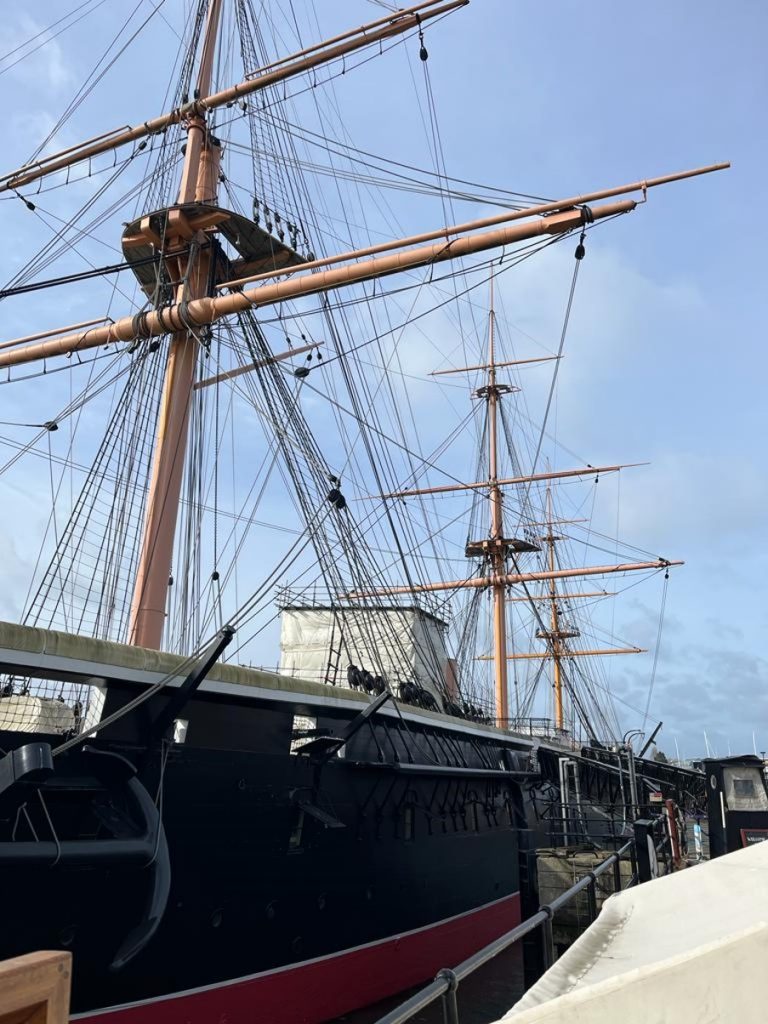
Related archive · HMS Warrior
Previous dockyard project
Earlier work aboard HMS Warrior formed part of the historic project context that preceded the HMS Victory instruction.
Related archive · ship galley
Confined catering environment
The related galley photograph illustrates the compact and highly constrained working environment that can exist aboard historic ships.
Contractor behaviour and site control matter more when the asset cannot simply be treated like a normal building.
The cleaning task may be familiar, but the consequences of poor mobilisation can be much greater around historic fabric, narrow routes and public visitor spaces.
The HMS Victory project is useful because it reminds estates and facilities teams to match the contractor not only to the cleaning task but also to the site environment in which the work has to take place.
What should the estates team have ready?
The cleaning scope is only one part of the enquiry. Contractors also need enough information to understand how they will enter, protect, work within and leave the asset.
It demonstrates judgement about the environment, not just the cleaning task.
That is valuable to museums, historic venues, visitor attractions and public estates because many maintenance requirements are technically familiar but operationally unusual.
Send the asset, work area and access information you already have.
EC Cleaners Network can help organise the commercial requirement, keep unusual site constraints visible and approach potentially appropriate independent contractor capability. Where conservation, consent, structural or technical decisions are needed, those remain with the asset owner and relevant competent professionals.
This case study is based on the surviving EC Cleaners project record and related historic project photographs. The HMS Warrior and ship-galley images are included as clearly identified related archive material and are not presented as HMS Victory photographs. The HMS Victory record supports a kitchen deep-cleaning project in confined working quarters; it does not establish that internal kitchen-extract ductwork, ventilation systems or TR19® work was undertaken unless supported by separate specialist project evidence. EC Cleaners Network is operated by Search and Submit Ltd. Search and Submit Ltd does not itself undertake cleaning, conservation, technical inspection, design, alteration or certification and does not determine whether heritage or statutory consent is required. Independent appointed contractors, asset owners and relevant conservation, planning and technical professionals remain responsible for decisions and work within their appointed roles.