
EC Cleaners Network · From Requirement to Evidence
Insurance · Fire risk · Enforcement · Kitchen extraction
Commercial Kitchen Insurance, Liability & Fire Enforcement
Has an insurer, broker, fire-risk assessor, landlord or enforcing authority raised a concern about the commercial kitchen extraction system?
Grease accumulation within kitchen extraction can create a material fire risk, which is why insurers, property owners and fire-safety professionals may ask for inspection, cleaning, maintenance or clearer evidence. The exact requirement, however, comes from the relevant policy, survey, risk assessment, notice or professional instruction — not from a universal rule that every commercial kitchen has the same insurance condition.
Do not rely on “the insurer requires TR19”. Start with the actual policy wording, endorsement, risk-survey action, broker email or insurer instruction.
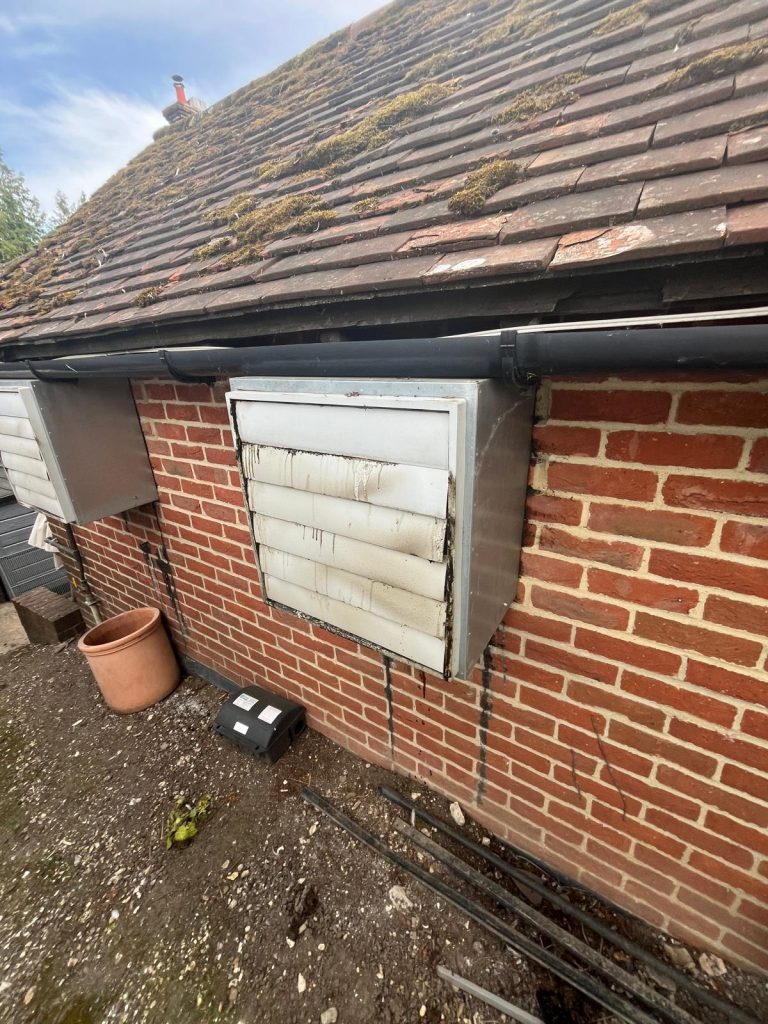
Why action is raised
Insurance, fire safety and regulatory action can start from different documents.
The next step should follow the source of the requirement. A broker request is not the same as a fire-risk action, and a statutory enforcement notice is not the same as a contractor recommendation.
An insurer or broker asks for extraction evidence
The request may concern cleaning frequency, TR19® Grease, contractor competence, photographs, reports, outstanding defects or confirmation that a particular risk action has been addressed.
A fire-risk assessment identifies grease or access concerns
The assessor may identify combustible deposits, inaccessible ductwork, poor maintenance evidence or another issue requiring specialist investigation or remediation.
A landlord or property manager imposes a maintenance requirement
Lease, licence, fit-out or estate rules can create contractual obligations that sit alongside — but are not identical to — statutory fire-safety duties.
An enforcing authority issues formal action
Where statutory fire-safety concerns are serious, the relevant authority may require defined remedial action. That instruction should be treated as a regulatory requirement rather than simplified into a generic cleaning request.
Different requirements · different authority
What document is actually creating the obligation?
Commercial kitchens sit within several overlapping risk-management systems. Understanding which one has created the action prevents insurance wording, fire law, technical standards and contractor recommendations being incorrectly treated as the same thing.
Insurance policy
A policy, endorsement or specific condition may set maintenance or evidence expectations. Those requirements are contractual and should be read from the actual insurance documents rather than assumed from industry custom.
Risk-survey recommendation
An insurer’s surveyor or risk engineer may identify a particular defect, maintenance issue, inaccessible section or evidence gap and request a defined improvement.
Fire-risk assessment
The fire-risk assessment considers the premises and significant fire hazards. Kitchen extraction can become relevant where grease accumulation, ignition sources, fire spread or maintenance arrangements affect the overall risk.
TR19® Grease
TR19® Grease is BESA’s specialist specification for managing grease-related fire risk within commercial kitchen extraction systems. It is an industry specification rather than primary legislation.
Fire-safety enforcement
Fire-safety legislation creates statutory duties independently of insurance. Where an enforcing authority identifies serious deficiencies, formal notices may require action within defined timescales.
Lease or landlord requirement
A landlord, managing agent or estate operator may impose maintenance, contractor or reporting requirements through lease, licence or building-management arrangements.
Contractor recommendation
A specialist report may identify overdue cleaning, missing access, inaccessible ductwork or another technical action. The recommendation should remain distinguishable from insurer or statutory requirements.
Insurance requirements
There is no universal commercial-kitchen insurance rule that can be substituted for the policy.
TR19® Grease is widely recognised within the insurance and property-risk environment, but individual insurers can impose different requirements around cleaning frequency, competence, evidence and risk improvements.
Policy
Check whether the policy or endorsement contains an express extraction, maintenance or contractor requirement.
Survey
Keep insurer or risk-engineer recommendations because they may be more specific than the general policy wording.
Broker
Retain written clarification where a broker has confirmed how an ambiguous requirement should be understood.
Evidence
Establish whether the insurer expects a report, photographs, contractor details, certification, remedial evidence or another record.
Fire-safety enforcement
Insurance requirements and statutory fire-safety enforcement are separate.
A business can have contractual insurance obligations and statutory fire-safety duties at the same time.
In England and Wales, the Regulatory Reform (Fire Safety) Order 2005 provides the principal fire-safety framework for most non-domestic premises. Scotland and Northern Ireland operate separate fire-safety regimes. The relevant dutyholder needs to assess fire risk and act on the significant findings applicable to the premises.
Fire-risk assessment
Identifies significant fire hazards, people at risk and measures required to reduce or control those risks.
Alterations notice
Can require the enforcing authority to be informed of relevant changes where particular fire-safety risks exist.
Enforcement notice
Can specify improvements required where serious fire-safety deficiencies are not being adequately managed.
Prohibition notice
Can prohibit or restrict use where the enforcing authority considers the risk to people sufficiently serious.
Technical remediation
The specialist contractor should address the specific physical requirement within its competence and return evidence for the relevant dutyholder or adviser.
Historic EC Cleaners archive
Real kitchen-extraction projects show why the trigger matters.
These historic projects illustrate different operating and risk environments. They are not presented as current Search and Submit Ltd insurance advice, current fire-risk assessments or retrospective guarantees about insurance cover.
Insurance & fire-risk trigger
Three Horseshoes · Brighton
The historic archive records an insurance review and fire-risk assessment as the trigger for extraction-system work involving ductwork, fan and associated components.
Existing hospitality premises
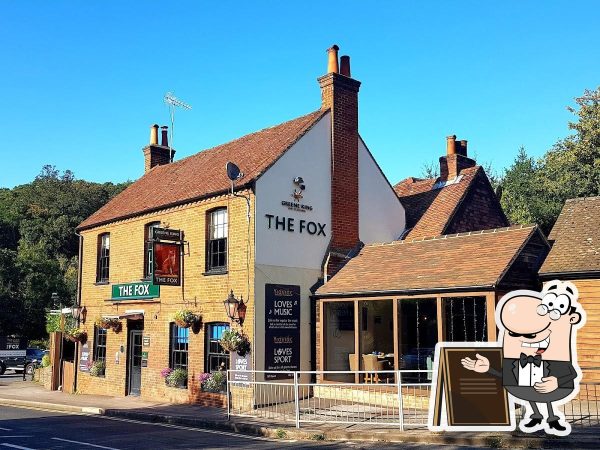
The Fox · Farnham
Traditional hospitality buildings can contain extraction routes shaped by years of alterations, restricted access and the physical constraints of the property.

Institutional catering
Barton Peveril College · Eastleigh
The archive records a duct route with bends and limited access, illustrating why maintenance evidence can remain incomplete where parts of the system cannot be reached.

Managed property
Chopstix · West Quay
Shopping centres and managed estates add landlord, access, permit and contractor-management requirements around the physical kitchen work.
Responsibility
Who is responsible depends on the legal, contractual and technical role involved.
There is no useful universal statement that “everyone shares TR19 liability”. Responsibility needs to be considered against the premises, fire-safety duties, lease arrangements, insurance contract and each party’s actual appointment.
Fire-safety dutyholder
Responsible for the fire-safety duties imposed on that person or organisation under the applicable legislation.
Insured business
Responsible for understanding and complying with material policy conditions and insurer requirements applicable to its cover.
Landlord or managing party
May have responsibilities arising from ownership, control, lease terms, common systems or building-management arrangements.
Professional adviser
Responsible for professional assessments and recommendations within the scope for which that adviser has been appointed.
Specialist contractor
Responsible for the physical work, reporting and technical statements that fall within the contractor’s agreed scope and competence.
Evidence after work
What should be retained after an insurer or fire-risk action?
The value of contractor evidence comes from showing what happened to the specific requirement. A certificate alone may be insufficient if sections remained inaccessible or another action is still outstanding.
Original requirement
Retain the policy extract, survey recommendation, risk assessment, notice or other document that created the action.
Defined contractor scope
Record which system, components and physical areas the contractor was actually instructed to inspect or clean.
Photographic evidence
Keep identifiable before-and-after or condition evidence relating to the relevant system.
Exclusions
Record inaccessible sections, restricted areas and anything outside the completed scope.
Outstanding actions
Keep access remediation, repairs, further cleaning, fire-safety review or insurer confirmation visible until genuinely resolved.
From requirement to contractor brief
Send the exact wording rather than asking a contractor to guess what the insurer or assessor meant.
A clear source document produces a much stronger procurement brief.
Where the requirement originated with an insurer, broker, landlord, fire-risk assessor or enforcing authority, preserve the original wording and provide it with existing reports and photographs. That allows quotations to be based on the actual action rather than on assumptions.
Trigger document
Policy condition, broker email, risk survey, fire-risk assessment, landlord action or statutory notice.
System
Identify the kitchen, extraction system, canopy, duct route, fan or other components involved.
Required action
Clarify whether the requirement is inspection, cleaning, access remediation, reporting, maintenance or another defined task.
Contractor criteria
Record any explicit competence, registration, insurance or evidence requirement contained in the source document.
Close-out route
Establish who needs the completed evidence — insurer, broker, risk engineer, landlord, fire-safety professional or internal compliance team.
Different premises · different risk arrangements
The insurance and dutyholder structure changes with the property.
An independent restaurant, leased pub, shopping-centre unit, care home, hotel, school or multi-site estate can have very different combinations of policyholder, landlord, managing agent, fire-safety dutyholder and specialist contractor.
Insurance or fire-risk requirement
Send the exact policy, survey, risk-assessment or enforcement wording.
EC does not interpret insurance contracts or provide legal or fire-risk advice. Where an insurer, broker, landlord, fire-safety professional or enforcing authority has already identified a physical extraction, cleaning, access or evidence requirement, send the information available and EC can help organise the commercial requirement for appropriate independent specialist delivery.
Site
Premises address, organisation, sector and number of locations involved.
Trigger
Insurance condition, broker request, risk survey, fire-risk assessment, landlord action or enforcement notice.
Exact wording
Provide the relevant section rather than paraphrasing the requirement from memory.
Existing evidence
Previous TR19® reports, photographs, certificates, contractor quotations or maintenance information.
Known problems
Grease accumulation, inaccessible ductwork, overdue cleaning, incomplete evidence or another defined issue.
Close-out requirement
Confirm who needs the completed report or evidence and any stated deadline.
Network operator
Search and Submit Ltd
Telephone
Role
Commercial requirement organisation · not insurance, legal or fire-risk advice
UK coverage
Subject to requirement, geography and independent specialist availability
EC Cleaners Network is operated by Search and Submit Ltd. Search and Submit Ltd does not interpret insurance contracts, advise on insurance coverage, determine whether a policy condition has been satisfied, guarantee insurance claim outcomes, provide legal advice, carry out fire-risk assessments or exercise statutory enforcement powers.
Search and Submit Ltd does not inspect, clean, test, survey, design, remediate, certify or technically approve commercial kitchen extraction or ventilation systems. Independent appointed contractors, insurers, brokers, fire-safety professionals, landlords, enforcing authorities and other competent parties remain responsible for their own contractual, statutory, technical and professional decisions.
This page provides general commercial and procurement information. Insurance requirements vary by insurer, policy, endorsement and individual risk assessment. Fire-safety legislation and enforcement arrangements differ across UK jurisdictions.