
EC Cleaners Network · From Requirement to Evidence
Environmental Health · Food waste · FOG · Kitchen premises
Environmental Health & Waste Disposal for Commercial Kitchens
Has an Environmental Health inspection, food-safety audit or recurring kitchen problem identified waste, grease, drainage, pest or premises issues that now need physical action?
Commercial-kitchen waste management reaches far beyond emptying bins. Food waste, used cooking oil, fats and grease, packaging, cleaning residues, drainage and external refuse areas all need to be controlled so they do not create contamination, pest, odour, blockage or wider premises problems.
Waste control starts inside the kitchen. Poor scraping, storage, segregation or grease management can become a drain, bin-store or pest problem further along the route.

Why Environmental Health actions arise
The visible waste problem is often only the end of the chain.
Overflowing bins, drain smells, pest activity or contaminated refuse areas usually need immediate action, but the long-term solution may also depend on kitchen procedures, storage capacity, collection frequency, grease controls or maintenance.
Food waste is accumulating in the kitchen
Waste left around food-preparation areas can create contamination, odour and pest risks and may indicate that removal arrangements are not working effectively.
Grease and food debris are entering sinks or drains
Fats, oils and grease can accumulate further through the drainage system, contributing to blockages, smells, flooding and repeated emergency call-outs.
The bin store or service area has become unhygienic
Spilled food waste, leaking containers and poorly maintained refuse areas can create a significant hygiene problem outside an otherwise well-managed kitchen.
Pest activity is appearing around waste routes
Accessible food waste, residues and badly controlled refuse areas can provide food and harbourage for rodents, insects and other pests.

Kitchen waste-control framework
Which part of the problem needs which control?
Waste crosses food hygiene, cleaning, drainage, facilities management and environmental responsibilities. Separating those elements makes it easier to identify the actual failure and appoint the right specialist where physical remediation is needed.
Food waste
Food waste and other refuse should be removed from food rooms before it accumulates and managed so it does not become a direct or indirect contamination or pest source.
Kitchen bins
Waste containers need to suit the material being collected, remain usable and be managed so food waste, liquids and contamination stay contained.
Used cooking oil
Waste cooking oil should be collected through an appropriate storage and collection route rather than poured into sinks, floor drains or the sewer system.
Fats, oils & grease
FOG should be intercepted as close to the kitchen process as practicable. Scraping food and grease from cookware before washing and using appropriate grease-management arrangements can help protect downstream drainage.
Drainage
Slow drains, repeated blockages, smells or flooding should not automatically be treated as isolated cleaning problems. Repeated failure may justify competent investigation of the drainage system and grease controls.
External waste stores
Refuse areas should be capable of being kept clean and managed so waste does not escape, contaminate surrounding areas or provide an avoidable pest attraction.
Waste contractors
The food business should understand who removes its commercial waste and retain the appropriate transfer and contractor information required for its arrangements and jurisdiction.
Chemical waste
Cleaning chemicals and contaminated materials may require different controls from ordinary food or general waste. Classification and disposal should follow the substance and actual waste stream involved.
Kitchen → waste route → collection point
Waste should leave the kitchen without spreading the hygiene problem elsewhere.
The waste-control system extends from preparation and wash-up areas to internal bins, service corridors, bin stores and collection points. Each stage should prevent leakage, contamination and unnecessary pest attraction.
Kitchen
Food scraps and other waste should be removed regularly so they do not build up around food-preparation operations.
Containers
Suitable bins and containers help contain waste, liquids and contamination until it can be removed from the food area.
Waste route
Moving refuse through corridors, service areas or shared back-of-house space should not contaminate otherwise clean areas.
Bin store
The final storage area needs appropriate capacity, cleaning arrangements and pest control until collection takes place.
Real foodservice environments
Waste volumes, access and back-of-house pressures change from one kitchen to another.
These historic EC Cleaners environments illustrate different commercial food operations. They are not presented as waste-management failures, Environmental Health enforcement cases or retrospective judgements on the historic businesses shown.

QSR & food courts
Chopstix · West Quay
High-volume foodservice can generate significant food waste, packaging and cooking-oil handling within limited back-of-house space and landlord-controlled service areas.

Refit & reopening
Kokoro · Southampton
Refurbishment temporarily introduces construction debris, packaging and contractor-generated waste alongside the future food-service environment.
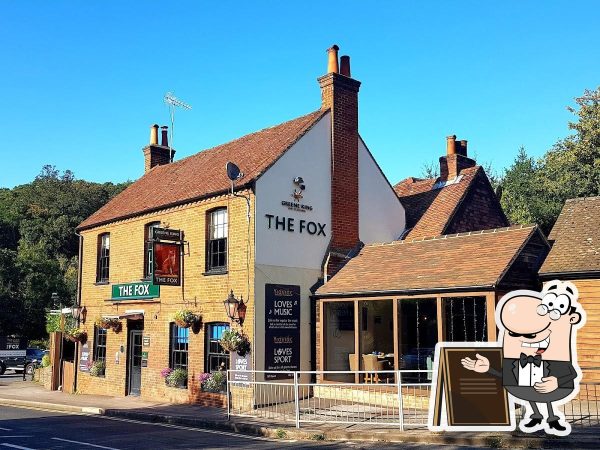
Pub & hospitality
The Fox · Farnham
Existing hospitality kitchens can have constrained wash-up areas, limited storage and older drainage routes operating alongside regular food production.

Restaurant operations
The Botanist · Bournemouth
Restaurants with substantial cooking loads need food-waste, cooking-oil, cleaning and grease controls that remain workable through busy service periods.
Fats, oils, grease & drainage
Keep grease out of the drain before it becomes a blockage further downstream.
FOG can appear manageable while warm and liquid but cool and accumulate within pipework, drains and the sewer network.
Good kitchen practice reduces the amount reaching the drainage system in the first place. Food scraps and grease should be removed from plates and pans before washing, sink strainers can intercept solids, and grease-management equipment should be maintained appropriately where it is installed.
Scrape first
Remove food scraps and grease from cookware and plates into the appropriate waste route before washing.
Use strainers
Commercial sink strainers can help prevent food solids and debris entering kitchen drainage.
Collect waste oil
Store used cooking oil through an appropriate secure collection arrangement rather than disposing of it through sinks or drains.
Maintain grease controls
Grease traps, separators or other installed equipment need inspection, cleaning and maintenance appropriate to their use.
Investigate recurrence
Repeated smells, slow drains, blockages or flooding may indicate a wider drainage or grease-management problem requiring specialist assessment.
Commercial waste control
The organisation should know what happens to its waste after it leaves the kitchen.
Commercial-waste responsibilities extend beyond the internal bin. The business should maintain appropriate storage, contractor and transfer arrangements for the waste streams it produces, taking account of the requirements applying in the relevant UK jurisdiction.
Waste streams
Understand the main food, general, recyclable, cooking-oil and other waste generated by the operation.
Storage
Use suitable arrangements so waste does not escape, leak, contaminate other materials or create unnecessary pest problems.
Collection
Collection frequency should reflect actual volume and prevent avoidable accumulation between visits.
Contractor information
Retain appropriate information about the organisations used to collect or handle controlled commercial waste.
Transfer records
Maintain the waste documentation appropriate to the waste stream, arrangement and jurisdiction concerned.
After physical remediation
Cleaning the waste area should not hide why the problem developed.
Where an EHO, auditor or internal team identifies a physical waste or hygiene issue, cleaning evidence can show what was remediated. The organisation should also keep the operational or maintenance cause visible where further action is required.
Original finding
Retain the inspection, audit or internal action that explains why physical work was required.
Defined area
Identify the bin store, kitchen waste route, drainage area, service yard or other location included.
Physical work
Record the cleaning, clearance, drainage work, repair or other remedial action actually completed.
Photographs
Use recognisable evidence showing the affected area before and after the work where appropriate.
Outstanding cause
Collection frequency, damaged containers, grease controls, drainage defects or procedural problems should remain visible if unresolved.
Different food operations
Waste volume, grease load and collection arrangements vary dramatically between kitchens.
A restaurant, care home, school, hotel, QSR operation and food-production site may all generate food waste while operating with very different volumes, service patterns, storage space and collection constraints.
Physical remediation enquiry
Already have an Environmental Health, food-waste, FOG or drainage action that needs physical work?
EC does not act as a waste regulator, waste broker or Environmental Health authority. Where an inspection, audit or responsible internal team has identified cleaning, waste-area remediation, drainage, grease-management or another physical requirement, send the information already available and EC can help organise the commercial requirement for appropriate independent specialist delivery.
Site
Premises address, organisation, food-business type and number of locations involved.
Trigger
Environmental Health inspection, food-safety audit, drainage problem, pest concern or internal review.
Physical issue
Food waste, bin store, cooking oil, FOG, drain blockage, contamination or another identified requirement.
Existing evidence
Inspection findings, photographs, drainage reports, waste information, maintenance records or previous quotations.
Operational constraints
Trading hours, food preparation, waste collections, service-yard access, meal service or reopening requirements.
Required close-out
Photographs, contractor report, drainage information, repair evidence or other records needed after the work.
Network operator
Search and Submit Ltd
Telephone
Role
Physical-remediation requirement organisation · not waste regulation or disposal
UK coverage
Subject to requirement, geography and independent specialist availability
EC Cleaners Network is operated by Search and Submit Ltd. Search and Submit Ltd does not act as an Environmental Health authority, waste regulator, waste broker, waste carrier, drainage engineer or specialist waste adviser and does not determine whether an organisation satisfies waste or environmental legislation.
Where an inspection, audit or responsible organisation has identified physical cleaning, drainage, waste-area remediation, grease-management, access or another specialist requirement, EC can help organise the commercial information for independent specialist delivery. Waste contractors, drainage specialists, cleaning contractors and other appointed parties remain responsible for their own work, authorisations, waste handling, documentation and technical conclusions.
This page provides general commercial and procurement information rather than waste, environmental, drainage or legal advice. Waste, recycling and regulator arrangements differ between England, Wales, Scotland and Northern Ireland and should be considered for the premises and waste stream concerned.