
EC Cleaners Network · From Requirement to Evidence
COSHH · Kitchen chemicals · Exposure control
COSHH Regulations & Cleaning Chemicals in Commercial Kitchens
Using degreasers, oven cleaners, sanitisers, descalers or other hazardous substances in a commercial kitchen?
COSHH requires employers to understand how substances hazardous to health are used in the real workplace, who may be exposed and what controls are needed. In a commercial kitchen that can include concentrated cleaning chemicals, grease-removal products, dishwasher chemicals, aerosols, vapours and substances generated during specialist cleaning or maintenance.
A Safety Data Sheet is not the COSHH assessment. The assessment must consider how the product is actually being used in that kitchen, the quantity involved, the application method, exposure routes and the people who may be affected.
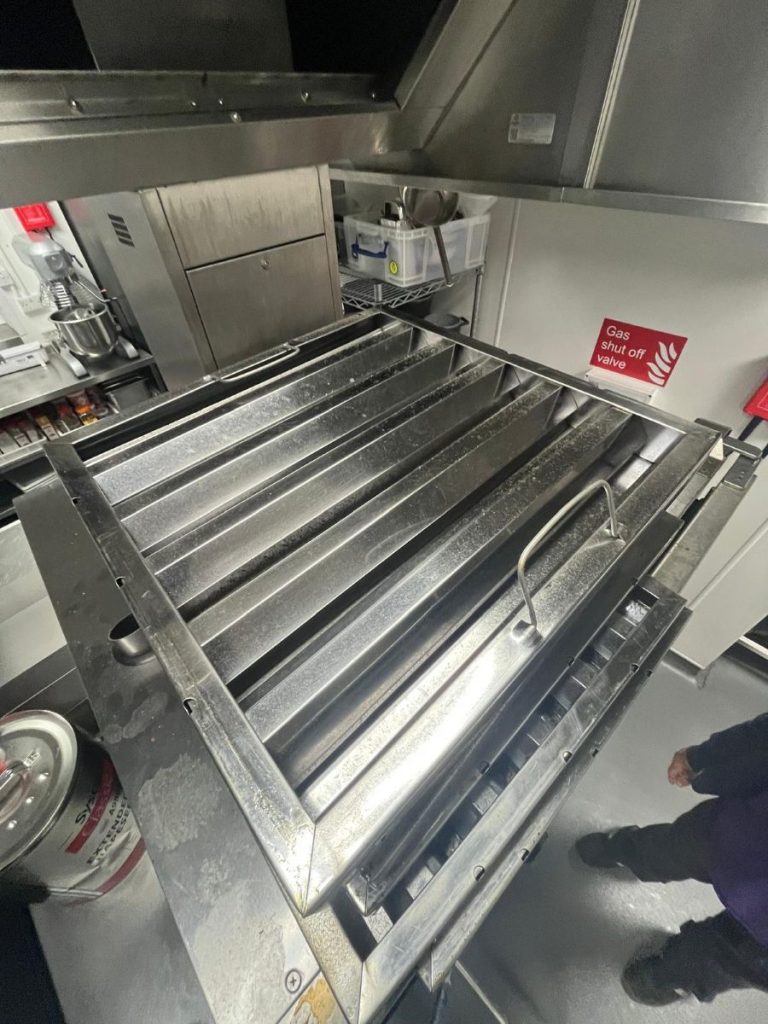
Why COSHH matters in kitchens
Everyday kitchen cleaning can still involve substances capable of causing harm.
The risk is determined by more than the name on the container. Concentration, dilution, temperature, application method, ventilation, duration and the physical environment can all change the way people are exposed.
Heavy-duty degreasers are being used
Grease removal from canopies, filters, cooking equipment and heavily contaminated surfaces can involve stronger products than routine daily cleaning.
Products are sprayed or create mist
Spraying can create inhalation and eye exposure that may be very different from applying the same chemical by controlled wiping, foaming or another lower-dispersion method.
Concentrated chemicals need dilution
Dishwashing chemicals, sanitisers, descalers and concentrated cleaners may require controlled dispensing and clear procedures to avoid accidental over-concentration or contact.
A specialist deep clean changes normal conditions
Large quantities of chemical, confined access, dismantled kitchen equipment or prolonged degreasing can create exposure conditions very different from normal routine kitchen cleaning.

Typical kitchen substances
Start with what is actually being used and how it is being applied.
A commercial kitchen can contain several different chemical systems. Each should be considered in relation to the task rather than placing every cleaning product under one generic COSHH sheet.
Degreasers
Heavy-duty alkaline or other specialist degreasers may be used on canopies, filters, cooking equipment, floors and heavily contaminated surfaces. Concentration and application method can materially change the exposure risk.
Oven & grill cleaners
Products designed to remove burnt-on deposits may require particular controls around skin contact, eye exposure, application, dwell time and rinsing before equipment returns to food use.
Sanitisers & disinfectants
Products used to control microorganisms need correct dilution, contact time and application. Excess concentration does not automatically mean better hygiene and may introduce additional chemical exposure.
Descalers
Acidic or other descaling products used on dishwashers, kettles, steam equipment or other kitchen plant need to be considered against the material being treated and the manufacturer’s instructions.
Dishwashing chemicals
Detergent and rinse-aid systems can involve concentrated products, automatic dosing equipment and container changes that need safe handling and appropriate staff instruction.
Extraction-cleaning chemicals
Specialist kitchen-extract cleaning can involve substantial grease deposits and stronger degreasing methods. The contractor’s COSHH controls should reflect the chemicals, access conditions and application technique used for that specific job.
Products must remain compatible
Different cleaning products should not be mixed unless that use is specifically intended and supported by the relevant product information. Incompatible substances can create additional hazards.
Exposure control
Control the kitchen-cleaning process before relying only on PPE.
COSHH control is strongest when unnecessary exposure is designed out of the work. Product choice, dispensing, application method, ventilation and segregation can all reduce exposure before gloves, goggles or respiratory protection are considered.
Choose the safer method
Consider whether a less hazardous product or lower-exposure application technique can achieve the required cleaning result.
Control dispensing
Automatic or measured dispensing can help reduce uncontrolled handling of concentrated chemicals.
Control the work area
Restrict unnecessary access, protect nearby food-contact areas and manage ventilation and occupancy during specialist work.
Use suitable PPE
Gloves, eye protection, clothing or RPE should be selected for the actual residual risk rather than used as a substitute for poor process control.
SDS versus COSHH assessment
The product information is the starting point. The kitchen task completes the picture.
A Safety Data Sheet describes the supplied product. It cannot know exactly how your kitchen will use it.
The COSHH assessment should connect the supplier information to the actual quantity, dilution, task, frequency, exposure routes, people involved and controls available at the premises.
Product
Identify the chemical, concentration and supplier information relevant to the substance being used.
Task
Define whether the product is being sprayed, wiped, foamed, circulated, diluted, heated or used through another method.
Exposure
Consider inhalation, skin, eye and other relevant exposure routes for employees, contractors and others nearby.
Controls
Identify dispensing, ventilation, segregation, equipment, working methods and PPE needed to control the actual task.
Emergency arrangements
People need to know what to do if chemicals are spilled, splashed, incorrectly mixed or another foreseeable incident occurs.
Kitchen ventilation
Kitchen extraction and COSHH exposure control are related — but not interchangeable.
A commercial kitchen canopy is primarily part of the catering ventilation system. It removes cooking effluent, heat and grease-laden air. Whether ventilation is also being relied upon to control exposure to a particular hazardous substance depends on the actual task and assessment.
Kitchen canopy
Captures cooking fumes and grease-laden air above the cooking process.
Extract ductwork
Carries contaminated kitchen air away from the cooking environment to the discharge point.
Replacement air
Supports effective kitchen ventilation by replacing air removed through the extraction system.
Specialist cleaning
Additional ventilation or segregation may be needed where chemical cleaning temporarily creates exposure outside normal cooking conditions.
Engineering assessment
Airflow or ventilation performance requiring technical assessment remains a separate engineering matter.
Kitchen extraction hygiene
TR19® cleaning does not replace COSHH assessment.
TR19® Grease concerns the inspection, cleaning and grease-related fire-risk management of commercial kitchen extraction systems. COSHH concerns exposure to substances hazardous to health. A specialist extract-cleaning project can involve both requirements without making them the same standard.
TR19® Grease
Grease accumulation, inspection, cleaning, access and post-clean evidence within the kitchen-extract system.
COSHH
Hazardous substances, exposure routes and the measures necessary to prevent or adequately control exposure.
DW/172
Commercial kitchen ventilation design, installation and maintenance considerations.
SFG20
Planned maintenance schedules and asset-maintenance controls where applicable.
Contractor RAMS
The appointed contractor’s safe system for delivering its particular physical work on the site.
Real commercial kitchens
Chemical controls have to work inside the kitchen that is actually being cleaned.
These historic EC Cleaners kitchen environments illustrate different physical conditions around specialist cleaning. They are not presented as historic COSHH assessments or retrospective judgements on the chemical controls used at those premises.

Restaurant refit
Commercial kitchen deep cleaning
Post-refit and reopening work can involve concentrated degreasing across cooking equipment, floors, walls and difficult kitchen surfaces within a compressed programme.

Education kitchen
Barton Peveril College · Eastleigh
An institutional kitchen illustrates how specialist cleaning has to fit around catering operations, access restrictions and the requirement to return the kitchen safely to service.
Restaurant extraction
The Botanist · Bournemouth
Canopy, filter and extraction cleaning can combine significant grease contamination with specialist chemical products and access around commercial cooking equipment.
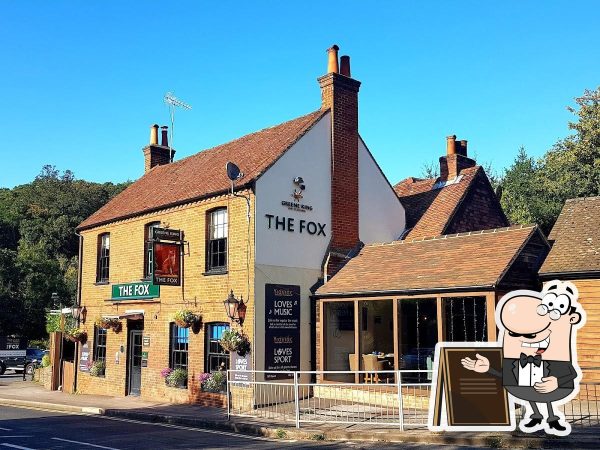
Pub & hospitality kitchen
The Fox · Farnham
Existing hospitality kitchens can have restricted working space, older equipment and limited separation between cleaning activity and the wider occupied premises.
Before specialist kitchen cleaning
The contractor should understand the kitchen, products and work method before arriving on site.
“Deep clean the kitchen” is not enough information to define chemical exposure or safe working controls.
The quotation and mobilisation process should establish which areas are being cleaned, the contamination involved, proposed products, application methods, kitchen shutdown arrangements and what has to happen before the food area can be returned to use.
Kitchen area
Identify cooking line, canopy, floors, walls, equipment, preparation areas, extraction system or other surfaces included.
Contamination
Describe grease, carbon deposits, food residue, scale, construction dust or another physical condition being removed.
Products
Identify the proposed cleaning chemicals and relevant supplier information before mobilisation.
Application
Understand whether the products will be sprayed, foamed, wiped, circulated, manually applied or used by another method.
Kitchen hand-back
Agree removal of residues, reinstatement, exclusions and what needs to be complete before normal food operations resume.
Contractor evidence
What should the client retain after specialist kitchen cleaning?
The close-out record should identify the physical job that was completed and preserve useful safety information where it forms part of the contractor’s appointed work.
Completed scope
Which kitchen areas, equipment or extraction components were physically cleaned.
Products used
Relevant product or chemical information where needed for the site record or follow-up action.
Photographic evidence
Recognisable images showing the areas or system components included in the work.
Limitations
Areas that were inaccessible, excluded, damaged or outside the contractor’s scope.
Outstanding action
Repairs, ventilation problems, additional access work, maintenance or another specialist issue still requiring attention.
What COSHH evidence does not prove
Keep the chemical-safety record within its proper boundary.
A COSHH assessment or contractor RAMS may provide useful safety evidence, but it does not replace the other technical and regulatory responsibilities surrounding a commercial kitchen.
Not a food-hygiene certificate
COSHH controls do not determine the business’s Food Hygiene Rating or wider food-safety compliance.
Not a TR19® certificate
Chemical risk assessment does not establish the grease condition or cleanliness of the kitchen extract system.
Not ventilation commissioning
Using ventilation as a work control does not prove that the kitchen ventilation system satisfies its engineering requirements.
Not staff training evidence by itself
Having an assessment on file does not demonstrate that affected staff understand the controls or use them correctly.
Not an EC technical approval
Search and Submit Ltd does not validate contractor COSHH assessments or approve chemical-control strategies.
Commercial catering environments
The chemical may be similar. The kitchen environment can be completely different.
Restaurants, care homes, schools, hospitals, hotels, food factories and franchise kitchens can all use hazardous cleaning substances while differing considerably in occupancy, cooking load, shutdown opportunities, vulnerable populations and contractor controls.
Commercial kitchen requirement
Already have a specialist kitchen cleaning or remediation requirement involving chemicals?
EC does not prepare COSHH assessments or act as an occupational hygienist. Where a restaurant, food business, estates team or adviser has identified physical cleaning, grease removal, extraction or another specialist kitchen requirement, send the information already available and EC can help organise the commercial requirement for appropriate independent delivery.
Kitchen
Premises address, sector, operating environment and number of kitchens or sites involved.
Physical work
Deep cleaning, degreasing, extraction cleaning, equipment cleaning or another defined requirement.
Products
Known cleaning chemicals, residues or substances involved where this information is already available.
Existing information
COSHH assessments, Safety Data Sheets, RAMS, photographs, audit actions or previous contractor records.
Site constraints
Food removal, shutdown time, ventilation, occupied areas, access, reopening or other operational requirements.
Required close-out
Photographs, cleaning report, TR19 evidence, outstanding actions or other records required after the work.
Network operator
Search and Submit Ltd
Telephone
Role
Commercial requirement organisation · not COSHH assessment or occupational hygiene
UK coverage
Subject to requirement, geography and independent specialist availability
EC Cleaners Network is operated by Search and Submit Ltd. Search and Submit Ltd does not undertake COSHH assessments, occupational-hygiene assessments, exposure monitoring, health surveillance, LEV examination or testing, RPE selection or fit testing, chemical-safety training or professional hazardous-substance advice.
Search and Submit Ltd does not inspect, clean, test, survey, design, remediate, certify or technically approve commercial kitchens or ventilation systems. Independent appointed contractors remain responsible for their own COSHH assessments, RAMS, chemical selection, safe-working controls, physical delivery, reporting and evidence within their appointed scope.
This page provides general commercial and procurement information rather than occupational-hygiene, chemical-safety, medical or legal advice. COSHH duties depend on the actual substances, tasks, exposure conditions and people involved.