
EC Cleaners Network · From Requirement to Evidence
Commercial catering gas · Mechanical ventilation · Interlocking
Commercial Kitchen Gas Safety & Ventilation Interlocking
Has a gas interlock, extract fan or commercial kitchen ventilation problem stopped appliances operating – or raised a safety concern?
Gas-fired catering appliances and mechanical kitchen ventilation can form part of the same safety system. Where the installation depends on mechanical ventilation, an appropriate interlock can prevent gas appliances continuing to operate when the required ventilation is not functioning correctly.
A gas interlock problem should not be diagnosed as a cleaning problem by default. Gas safety, ventilation performance, electrical controls and extract hygiene can be connected while remaining separate specialist responsibilities.
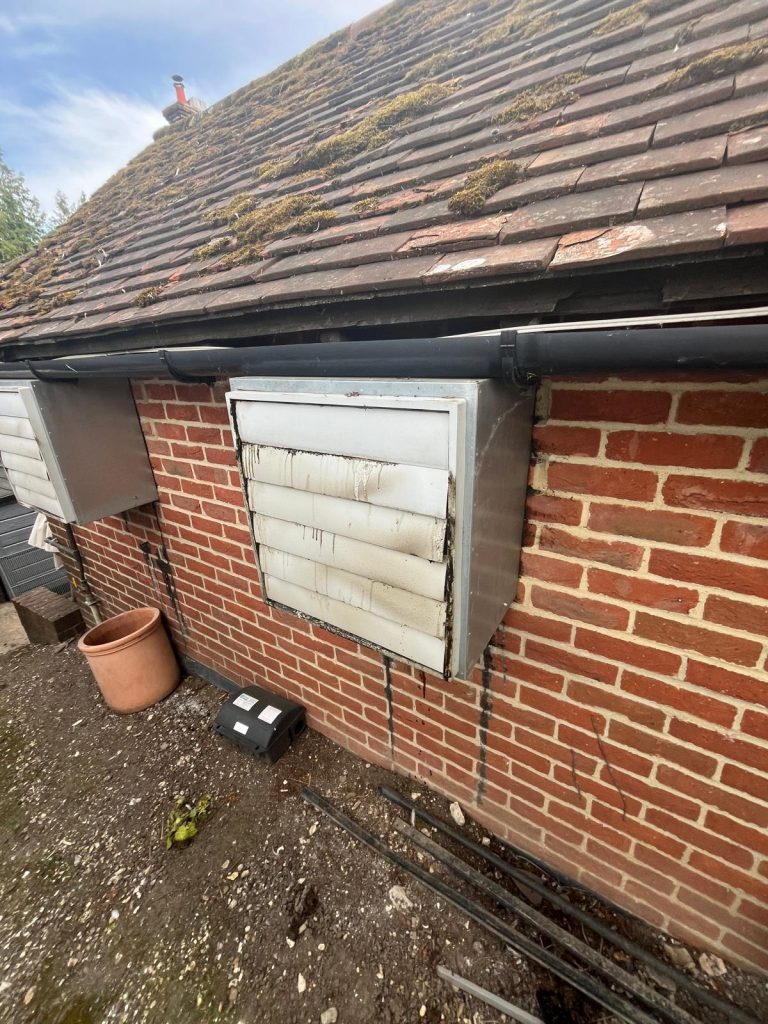
Why gas-interlock requirements arise
Most enquiries begin with a shutdown, ventilation fault, new installation or safety review.
The first question is not how to bypass the interlock. It is why the safety system has operated, what ventilation the gas appliances depend upon and which competent specialists need to investigate the cause.
The gas appliances will not operate
An interlock may be preventing operation because the required ventilation condition has not been established. The cause could sit within the fan, airflow proving, controls, gas system or another part of the installation.
The extract fan has failed or become unreliable
If gas-fired appliances rely on mechanical extraction, loss of that ventilation can create a safety issue rather than simply an inconvenience to kitchen operations.
A new or refurbished kitchen needs gas appliances commissioned
Cooking equipment, mechanical ventilation, make-up air, controls and gas-safety arrangements need to work together before the installation is treated as ready for normal operation.
An older installation has no obvious interlock
Existing installations should not be altered or judged from assumptions alone. The competent gas professional needs to consider the installation, ventilation and actual risk before deciding what action is required.

Gas & ventilation relationship
The interlock sits between the gas installation and the ventilation needed for safe operation.
HSE guidance explains that commercial cooking produces combustion products, heat and other contaminants that have to remain within safe environmental limits. Where gas appliances depend on mechanical ventilation, appropriate interlocking prevents continued gas operation when that ventilation fails.
Gas-fired catering appliances
Commercial cookers, fryers, ovens, ranges, grills and other gas-fired catering equipment require competent installation, servicing and maintenance appropriate to the appliance and fuel type.
Mechanical extraction
The canopy, extract ductwork and fan remove heat, fumes and products generated during cooking. Where gas safety depends on that ventilation, loss of extract can affect whether appliances can continue to operate safely.
Replacement or make-up air
Extract air has to be replaced. Inadequate replacement air can affect kitchen pressure, extract performance and combustion conditions, particularly where substantial gas-fired cooking equipment is operating.
Gas / ventilation interlock
The interlocking arrangement links the gas installation to the required mechanical ventilation so that applicable gas appliances do not continue operating when the required ventilation condition is lost.
Controls & proving
The precise control strategy and method used to establish the required ventilation condition belong to the competent designers and gas specialists responsible for the installation. A simple running fan does not by itself describe the whole safety strategy.
Extract condition & cleaning
Grease accumulation, dirty components or poor maintenance can affect the extraction system, but cleaning is only one part of the picture. It does not certify the gas system, prove interlock operation or establish that airflow is adequate.
What the interlock is there to do
Ventilation failure should not leave dependent gas appliances operating as though nothing has happened.
HSE guidance says the appropriate interlocking system between mechanical ventilation and gas appliances should cause the gas supply to the appliances to be shut off when the ventilation system fails. HSE also states that manual bypasses to such interlock systems are not permitted.
Normal operation
The gas installation and ventilation system operate within the intended safety arrangement established for the kitchen.
Ventilation failure
Where the applicable gas appliances depend on mechanical ventilation, loss of the required ventilation should result in the appropriate gas shut-off response.
Fault investigation
A shutdown should lead to diagnosis of the ventilation, gas or control problem rather than an assumption that the interlock itself is the fault.
Recommissioning
Any gas work, alteration or recommissioning needs to remain with appropriately qualified Gas Safe registered competence for the type of catering equipment and gas involved.
Gas Safety Regulations & BS 6173
The law and the British Standard perform different roles.
BS 6173 is recognised good practice for gas-fired commercial catering installations, but it is not itself an Act of Parliament or regulation.
The Gas Safety (Installation and Use) Regulations 1998 impose legal duties relevant to gas installations and appliances. BS 6173:2020 provides the current British Standard specification covering installation, servicing and maintenance of gas-fired catering appliances using second- and third-family gases, including natural gas and LPG.
Gas Safety Regulations
Create legal duties around the safe installation, use and maintenance of relevant gas systems and appliances.
BS 6173:2020
Provides recognised technical good practice for installation and maintenance of gas-fired commercial catering appliances.
Gas Safe competence
The engineer needs to be registered and appropriately qualified for the gas type, commercial catering category and appliance work being undertaken.
Ventilation competence
Airflow, extract performance, make-up air, system design and fan condition can require separate ventilation expertise alongside gas competence.
Cleaning competence
TR19® Grease inspection and cleaning is a separate workstream and should not be represented as gas-safety assessment or interlock certification.
Commercial kitchen context
The same gas-interlock problem can look very different from site to site.
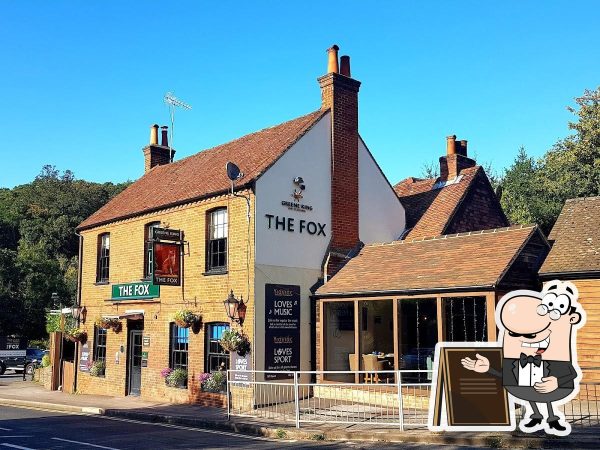
These historic EC Cleaners environments illustrate different commercial-kitchen operating conditions. They are not presented as gas-interlock projects, Gas Safe work or retrospective gas-safety assessments of the photographed premises.
Pubs & hospitality
The Three Horseshoes · Brighton
A busy hospitality kitchen illustrates why a ventilation shutdown can immediately become an operational issue as well as a technical one.

Education kitchens
Barton Peveril College · Eastleigh
An institutional catering environment may have defined shutdown windows and reopening deadlines alongside a complex extraction route.
Opening & commissioning
The Botanist · Bournemouth
A pre-opening restaurant environment demonstrates why gas appliances, ventilation, extraction condition and other services need to be resolved before operational handover.
Existing installations
The Fox · Farnham
Older hospitality premises can contain inherited cooking equipment, ventilation arrangements, controls and building constraints that differ significantly from a modern new installation.
When the gas will not stay on
A gas-interlock shutdown is a symptom, not a diagnosis.
The safety system may be responding correctly to another problem. The competent specialists need to establish what condition is preventing safe operation rather than immediately treating the interlock as something to defeat or replace.
Extract fan failure
A failed, tripped or otherwise non-operational fan may prevent the required ventilation condition being established.
Ventilation-performance problem
The fan may run while the system still has another airflow, control, ductwork or make-up-air problem requiring investigation.
Control or proving fault
The system responsible for establishing the required ventilation condition may itself need appropriate technical investigation.
Maintenance problem
Poorly maintained plant, belts, filters, fans or other components can contribute to unreliable ventilation operation.
Gas-system issue
The problem may sit within the gas installation, appliances or gas-safety controls rather than the extraction system.
Where cleaning fits
Cleaning can support a reliable extraction system – but it is not an interlock test.
HSE notes that effective preventative maintenance and cleaning can help prevent nuisance shutdown associated with ventilation-system failure. That does not mean a TR19® clean certifies gas safety or proves the interlock is operating correctly.
TR19® Grease
Addresses grease accumulation, cleaning and associated evidence within the commercial kitchen extraction system.
Fan maintenance
Mechanical or electrical fan defects may require the appropriate maintenance or ventilation specialist rather than an extract-hygiene contractor.
Interlock testing
Gas-safety and control-system verification should remain with appropriately competent professionals.
Airflow performance
Ventilation-system performance and design may require competent measurement, commissioning or engineering assessment.
Separate evidence
Keep cleaning reports, gas-safety records and ventilation findings distinct so each document proves only what its issuing specialist actually assessed.
Before appointing a contractor
Do not ask a general maintenance contractor to “sort the gas interlock” without defining the problem.
The right contractor depends on whether the issue sits within the gas installation, mechanical ventilation, controls, electrical system, extraction condition or several of those systems together.
Send the existing fault information, gas records, ventilation reports, photographs and any previous contractor recommendations. That gives the appropriate specialists a much stronger starting point.
Appliance information
Identify the gas-fired catering appliances, fuel type and any equipment recently installed, removed or altered.
Fault symptoms
Record when the shutdown occurs, what the fan and appliances are doing and whether any warning, control or fault indication is present.
Ventilation system
Provide known canopy, fan, extract, make-up-air, ductwork and control information.
Existing records
Include previous Gas Safe records, commissioning documents, service reports, ventilation information and relevant contractor findings.
Recent changes
Record refurbishment, appliance changes, fan replacement, control alterations or other recent work that may be relevant to the fault.
Close-out evidence
What should remain after a gas or interlock problem has been resolved?
The documentation should allow the organisation to understand what fault was investigated, which systems were worked on, who carried out the specialist work and whether anything remains outstanding.
Engineer identity & competence
The responsible gas engineer or specialist business should be identifiable along with the relevant scope of work.
System or appliance identity
The record should make clear which appliances, controls or ventilation system were investigated or worked on.
Work undertaken
The repair, servicing, adjustment, test or other specialist action should be distinguishable from the original reported fault.
Safety record
Appropriate gas-safety documentation should be supplied where relevant to the work undertaken.
Outstanding action
Further ventilation, electrical, controls, cleaning, design or maintenance work should remain visible if another specialist still needs to act.
Do not merge the evidence
A TR19 report and a Gas Safe record prove different things.
A well-managed compliance file keeps the specialist evidence separate enough that another competent person can see who assessed which part of the installation.
Gas evidence
Relates to the gas installation, appliances and gas-safety work within the competent engineer’s scope.
Ventilation evidence
Relates to airflow, mechanical performance, commissioning, design or other ventilation-system work where assessed.
TR19® evidence
Relates to inspection, grease condition, cleaning, access and associated extraction-hygiene work.
Fire-risk evidence
Relates to the wider premises fire-risk regime and recommendations of the responsible person or competent fire professional.
Maintenance evidence
Records the asset, planned work, defects and outstanding actions within the organisation’s maintenance regime.
Commercial catering environments
Gas and ventilation safety applies across very different kitchens.
Restaurants, pubs, hotels, schools, care homes, healthcare kitchens, food-production sites and multi-site estates can all operate gas-fired catering appliances, while their operating hours, occupancy and maintenance arrangements differ substantially.
Commercial enquiry
Send the fault information, gas record, photographs or ventilation report.
You do not need to diagnose the problem before contacting EC. Explain what has happened and send the information already available. EC can help organise the commercial requirement and identify which independent specialist disciplines may need to be involved.
Site
Premises address, organisation, sector and number of kitchens or locations involved.
Problem
Interlock shutdown, fan failure, gas appliance problem, ventilation concern, commissioning issue or other trigger.
Gas equipment
Known appliance types, fuel type and whether equipment has recently been added, replaced or moved.
Ventilation
Known canopy, fan, extract route, make-up air, controls and any existing airflow or ventilation information.
Existing records
Gas-safety records, service reports, commissioning information, TR19 reports, drawings, photographs or previous quotations.
Timescale
Kitchen shutdown, opening, reopening, inspection, handover or required completion date.
Network operator
Search and Submit Ltd
Telephone
Address
Column House, London Road, Shrewsbury, Shropshire SY2 6NN
UK coverage
Subject to requirement, geography and independent specialist availability
EC Cleaners Network is operated by Search and Submit Ltd. Search and Submit Ltd does not undertake gas work, gas-safety inspection, gas-interlock testing, ventilation design, electrical or controls work, commissioning, TR19 cleaning, fire-risk assessment or technical certification. Independent appointed Gas Safe registered engineers, ventilation specialists, controls contractors and other competent professionals remain responsible for assessment, installation, servicing, testing, commissioning, repair, physical work, reporting and certification within their respective appointed scopes.
BS 6173 is a British Standard for gas-fired catering appliances. TR19® Grease and TR19® Air are BESA specifications and DW/172 is a BESA commercial-kitchen ventilation specification. References are descriptive and no Gas Safe Register, BSI, HSE, BESA or other third-party endorsement of or affiliation with EC Cleaners Network is claimed.
This page provides general commercial and procurement guidance rather than gas-safety, ventilation-design, electrical, controls, fire-engineering or legal advice. Gas work must be undertaken by appropriately qualified Gas Safe registered competence for the equipment, gas type and work involved.