
EC Cleaners Network · From Requirement to Evidence
Gas safety · Fire risk · Workplace ventilation
Commercial Kitchen Gas, Fire & Workplace Safety Regulations
Need to understand whether a commercial kitchen issue belongs to gas safety, fire-risk management, workplace ventilation, extraction hygiene or another specialist discipline?
Commercial kitchens bring combustion, heat, grease, ventilation, work equipment and occupied workplaces together. Those risks are connected operationally, but they do not all sit under the same regulation, standard or contractor responsibility.
Cleaning, gas safety, ventilation engineering and fire-risk assessment are different responsibilities. The first job is to identify which risk has created the requirement and which competent specialist needs to deal with it.
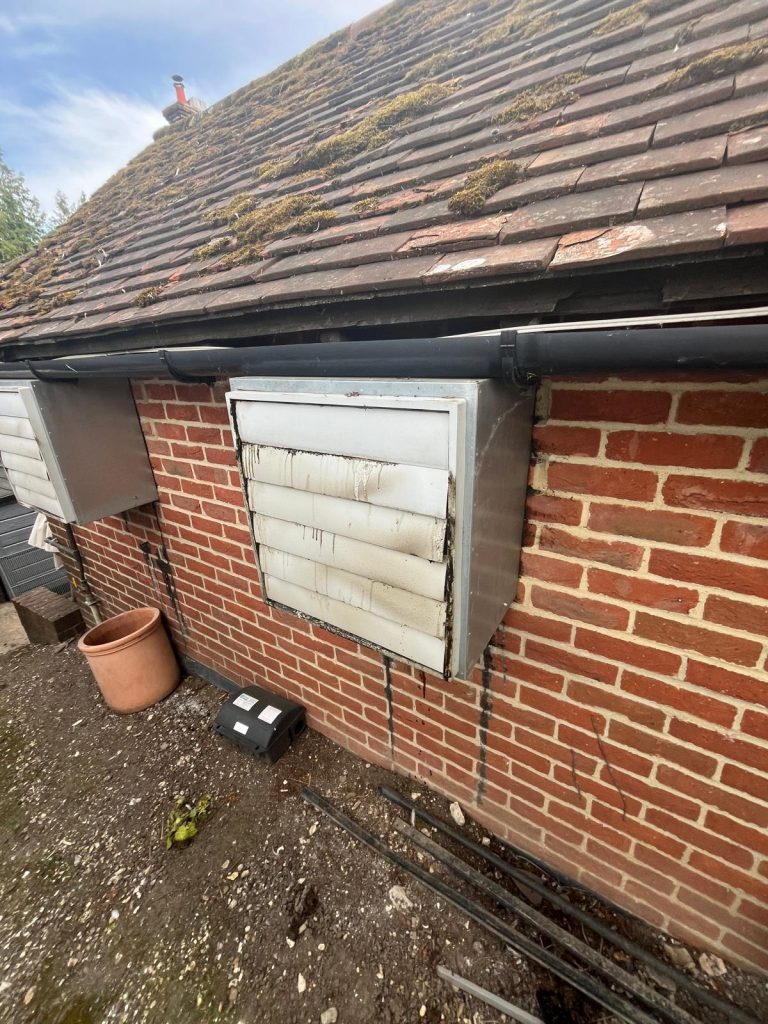
Why safety requirements arise
The same kitchen can contain several separate safety responsibilities.
A ventilation fault, gas-safety concern, fire-risk action or grease-extract problem may appear to involve the same canopy and duct route while requiring completely different technical competence and evidence.
The extract or ventilation system stops working properly
Poor capture, failed fans, insufficient replacement air or another ventilation defect can create an uncomfortable or potentially unsafe working environment and may affect gas-fired equipment.
A gas interlock or appliance issue is identified
Where gas-fired catering appliances depend on mechanical ventilation, the safety relationship between gas supply and ventilation needs to be assessed by appropriately competent specialists.
A fire-risk assessment identifies kitchen extraction
Grease accumulation and the extraction route can form part of the premises fire-risk picture, while the responsible person retains the wider duty to manage fire safety.
A contractor report exposes another unresolved risk
A cleaning visit can reveal failed plant, inaccessible ductwork, damaged components or another issue that sits outside the original cleaning scope and requires separate escalation.

Gas, fire & workplace framework
Which duty or standard deals with which risk?
Commercial kitchen safety is stronger when the individual responsibilities remain clear. Gas-safety work should not be treated as extract cleaning, a TR19® report should not replace a fire-risk assessment, and a clean duct does not prove that the ventilation system is performing correctly.
Health & safety duties
Employers and self-employed people have duties to manage risks arising from their work. In a commercial kitchen this can include equipment, heat, ventilation, gas, maintenance activity, contractor control and other workplace hazards.
Workplace ventilation
Commercial kitchens need effective ventilation to deal with heat, fumes, vapours and other products generated by cooking. Adequate replacement air is particularly important where gas-fired appliances are used.
Gas Safety Regulations
Work involving gas appliances is subject to the Gas Safety (Installation and Use) Regulations 1998. Installation, servicing, repair and gas-safety decisions must remain with appropriately competent gas specialists rather than extraction-cleaning contractors.
BS 6173 & gas interlocking
BS 6173 provides recognised good-practice requirements for gas-fired catering installations. HSE guidance explains that appropriate interlocking should prevent applicable gas appliances continuing to operate when the mechanical ventilation system fails.
Fire-safety duties
The responsible person or equivalent dutyholder must manage the applicable premises fire-safety duties. Kitchen extraction can become relevant where grease accumulation, ignition sources and the extract route contribute to the assessed fire risk.
Read how kitchen extraction fits into fire-risk management →
TR19® Grease
TR19® Grease provides the specialist industry framework for managing grease accumulation and associated fire risk within commercial kitchen extraction systems. It supports the wider fire-risk regime but does not replace it.
Work equipment & maintenance
Fans, controls, appliances and other work equipment need to remain suitable and appropriately maintained. Planned maintenance helps keep faults visible rather than relying on cleaning visits to discover failing plant by accident.
Ventilation design
Where the issue concerns capture, airflow, replacement air, duct routing or system design, competent ventilation engineering may be required. Cleaning cannot correct a fundamental design problem.
Responsibility boundaries
One physical system can require several different competent specialists.
The fact that gas appliances, a canopy, ductwork, extract fans and fire risk interact does not make one contractor competent to assess every part of that system. A clear compliance route preserves the boundary between each specialist responsibility.
Gas specialist
Gas appliances, gas supply, combustion safety and applicable gas/ventilation interlocking.
Ventilation specialist
System performance, airflow, capture, replacement air, fan operation and ventilation design.
Extract-hygiene specialist
Grease condition, inspection, cleaning and evidence within the kitchen extraction system.
Fire-safety professional
Fire-risk assessment, fire strategy and professional evaluation of the wider premises fire-safety position.
Historic EC Cleaners archive
Real kitchens show how different safety pressures meet in the same building.
These historic projects illustrate operating environments and extraction-system context. They are not presented as current Search and Submit Ltd contracts, gas-safety inspections, fire-risk assessments or retrospective technical approvals of the historic sites.
Fire risk & insurance
The Three Horseshoes · Brighton
The historic archive records an insurance review and fire-risk assessment as the trigger for extraction work at the premises.

Education & workplace
Barton Peveril College · Eastleigh
The archive records an operational education kitchen with an extended duct route, multiple bends and restricted access.

Public & managed premises
West Quay · Southampton
A busy public environment illustrates why contractor access, working height, operating restrictions and wider building controls matter around specialist maintenance.
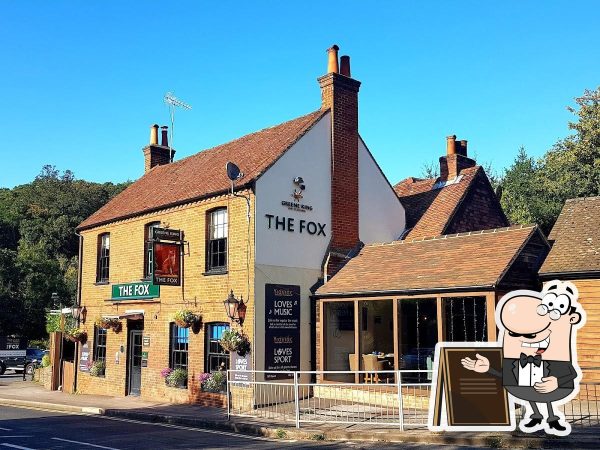
Existing hospitality buildings
The Fox · Farnham
Traditional hospitality premises can combine gas-fired catering, older building fabric, occupied trading areas and constrained ventilation routes.
Before appointing a specialist
Start with the identified risk rather than the contractor you already know.
A gas fault, ventilation defect, fire-risk recommendation and grease-cleaning requirement can all appear to concern the same kitchen while needing different technical responses.
Keep the original report, fault, recommendation or professional instruction visible when the work is procured. That makes it easier to appoint the appropriate competence and return the completed evidence to the party who needs it.
Trigger
Gas fault, ventilation issue, fire-risk action, maintenance report, insurer recommendation, equipment failure or other identified concern.
Cooking equipment
Identify gas, electric, solid-fuel or mixed equipment and any known changes to the kitchen arrangement or operating load.
Ventilation
Provide known canopy, fan, extract, replacement-air, controls and system-performance information.
Existing safety information
Include relevant gas records, fire-risk actions, maintenance reports, drawings, previous TR19 reports and contractor recommendations.
Required close-out
Identify which competent person or organisation needs the evidence back and what issue the work is intended to close.
Safety evidence
The evidence should match the specialist work that was actually undertaken.
A strong site file does not collapse every safety activity into a generic “compliance certificate”. It retains the appropriate evidence from each competent discipline and keeps outstanding actions visible.
Gas work
Appropriate records from the competent gas specialist for the work actually undertaken.
Ventilation work
Relevant inspection, commissioning, performance or remedial information from the responsible ventilation specialist.
Kitchen extract work
System scope, cleaning evidence, photographs, exclusions and further actions from the extract-hygiene specialist.
Fire-risk actions
The original recommendation and evidence of completed physical action should remain capable of being reviewed by the responsible person or competent fire adviser.
Maintenance records
Outstanding defects or recommendations should feed back into the maintenance regime rather than disappear when one work order closes.
What one certificate cannot prove
Keep technical responsibilities separate at close-out.
A certificate is evidence of a defined activity. Its value becomes weaker when it is treated as evidence for safety questions that were never assessed by the issuing contractor.
TR19® is not a gas-safety certificate
Kitchen-extract inspection and cleaning do not certify gas appliances, gas supply or combustion safety.
A gas record is not a ventilation design report
Gas-safety work does not automatically establish that the kitchen ventilation system satisfies every design or airflow requirement.
Cleaning does not replace the fire-risk assessment
Removing grease can address a physical risk source without replacing the organisation’s wider fire-safety duties.
A clean duct does not prove adequate workplace ventilation
Air quantity, make-up air, system performance and building use may require separate technical consideration.
Completed work does not close excluded areas
Known limitations, inaccessible sections and outstanding defects remain actions until they are genuinely resolved.
Commercial & institutional kitchens
The duties remain important across very different operating environments.
A restaurant, care home, school, hospital, hotel or food-production site can contain similar cooking and extraction equipment while presenting very different occupancy, staffing, access and risk-management requirements.
Commercial enquiry
Send the report, fault, fire-risk action or existing safety information.
You do not need to decide whether the requirement belongs to gas safety, ventilation engineering, fire-risk management, TR19® cleaning or another discipline before contacting EC. Send the information already available and explain what has happened.
Site
Premises address, organisation, sector and number of locations involved.
Trigger
Gas fault, ventilation failure, fire-risk recommendation, maintenance report, insurer action, audit or operational concern.
Cooking equipment
Known gas, electric, solid-fuel or mixed appliances and any recent equipment or layout changes.
Ventilation
Known canopy, fan, extract, replacement-air, controls, duct route or system-performance information.
Existing evidence
Gas records, fire-risk recommendations, photographs, drawings, TR19 reports, maintenance records or previous quotations.
Timescale
Safety shutdown, reopening, insurer review, audit, refurbishment or required completion date.
Network operator
Search and Submit Ltd
Telephone
Address
Column House, London Road, Shrewsbury, Shropshire SY2 6NN
UK coverage
Subject to requirement, geography and independent specialist availability
EC Cleaners Network is operated by Search and Submit Ltd. Search and Submit Ltd does not undertake gas-safety inspection or engineering, fire-risk assessment, ventilation design or commissioning, technical health-and-safety auditing, extraction cleaning, testing, certification or professional approval of commercial kitchen systems. Independent appointed contractors and competent professional advisers remain responsible for assessment, design, inspection, installation, servicing, testing, physical work, reporting, certification and professional conclusions within their appointed scope.
TR19® Grease and TR19® Air are BESA specifications. DW/172 is a BESA specification for commercial kitchen ventilation systems. BS 6173 is a British Standard relevant to gas-fired catering installations. References are descriptive and no BESA, BSI, HSE or other third-party endorsement of or affiliation with EC Cleaners Network is claimed.
This page provides general commercial and procurement guidance rather than gas-safety, fire-engineering, occupational-health-and-safety, ventilation-design, insurance or legal advice. Applicable duties depend on the premises, equipment, work activity and UK jurisdiction. Fire-safety legislation differs across England and Wales, Scotland and Northern Ireland.