
Kitchen Extraction & Deep Cleaning at Park Manor Care Home, Poole
A commercial kitchen project delivered inside an occupied care setting where meal service, resident welfare and day-to-day operations still had to continue around the work.
The Park Manor project record includes cleaning to the kitchen extraction hood, extractor fan, duct or vent sections and selected kitchen equipment. Its real value as a case study is the operating environment: specialist work had to fit into a care home rather than an empty commercial unit.
If you already have a previous extract report, cleaning record, fire-risk action, insurer request or estate-maintenance schedule, send it with the enquiry. The existing information often shows what needs to happen next.
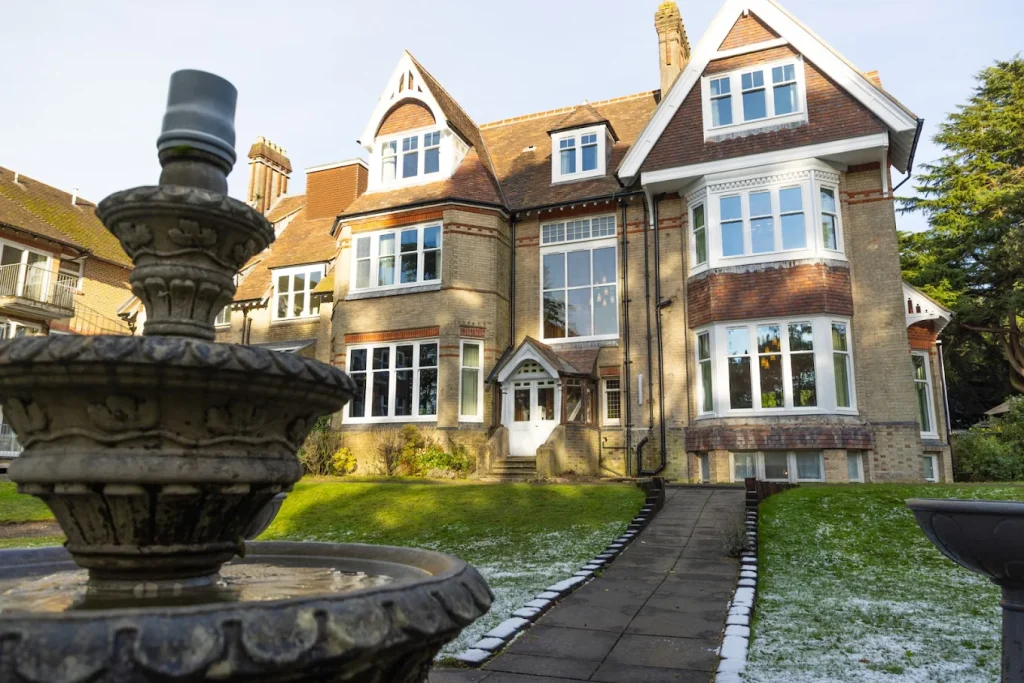
The system mattered. So did the care environment around it.
The project archive records kitchen-extraction and deep-cleaning work in a live residential care setting. For care operators and estates teams, the important lesson is that contractor planning has to protect both the technical work and the continuity of the service around it.
Occupied care setting
Park Manor was operating as a residential care home while the kitchen and extraction requirement sat within the wider day-to-day care environment.
Kitchen extraction
The historic record includes cleaning to the cooker hood, extractor fan and duct or vent sections associated with the kitchen.
Kitchen deep cleaning
The archive also records degreasing and cleaning to selected cooking equipment, including ovens, grills and fryers.
Close-out records
The original project description refers to post-work inspection, reporting and certification as part of the handover documentation.
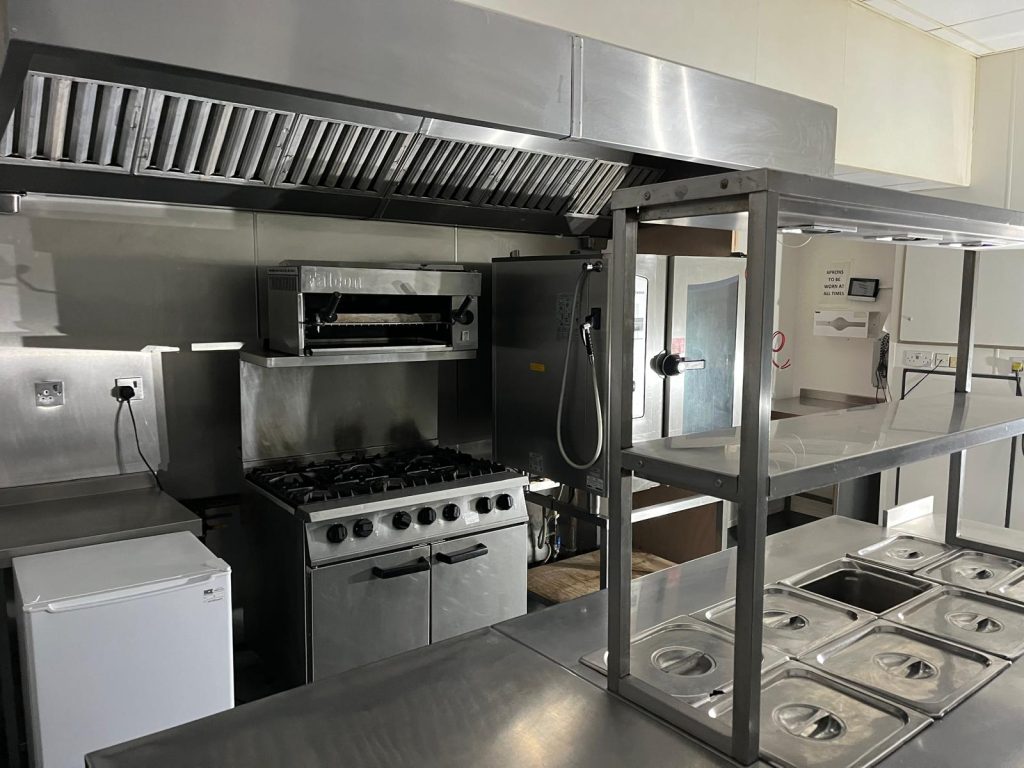
The visible hood was only one part of the work recorded.
The archive describes work across the cooker hood, extractor fan and duct or vent sections, together with deep cleaning of kitchen equipment. For modern procurement, those activities should be separated clearly so that grease-extract work, any general ventilation work and kitchen deep cleaning are not treated as one interchangeable service.
Cooker hood & canopy area
The visible stainless-steel extraction hood formed part of the recorded kitchen-cleaning and extract environment.
Extractor fan
The project archive identifies extractor-fan cleaning as part of the work rather than stopping at the visible hood.
Duct / vent sections
The historic page also refers to duct and vent cleaning. A current contractor brief should identify exactly which system those sections belong to before a technical specification is assumed.
Kitchen equipment
Ovens, grills and fryers were recorded within the deep-cleaning element of the project, separate from specialist internal extract-system work.
The kitchen sits inside a 24-hour care service.
Care-home maintenance cannot be planned as though the building is empty. Residents, staff, meals, medication rounds, visitors and other essential activity continue around the contractor. That makes access, timing, work-zone control and return-to-service arrangements part of the commercial requirement.
The photographs connect the work to a real care-home kitchen.
For facilities and group-estates teams, recognisable photographs make it easier to understand which kitchen, component and workstream a contractor record actually refers to.
Kitchen context
Canopy within the working kitchen
The wide view identifies the kitchen environment and the extraction hood serving the cooking area.
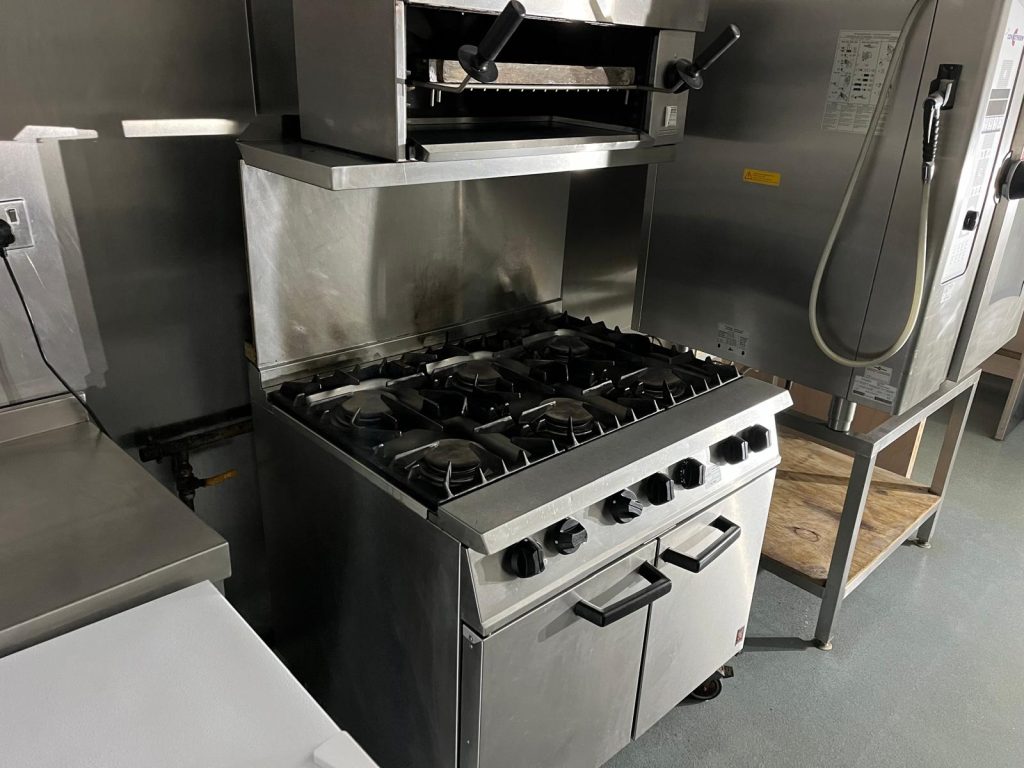
Kitchen deep clean
Cooking equipment & preparation environment
The project record included cleaning and degreasing of selected cooking equipment as a separate practical requirement.
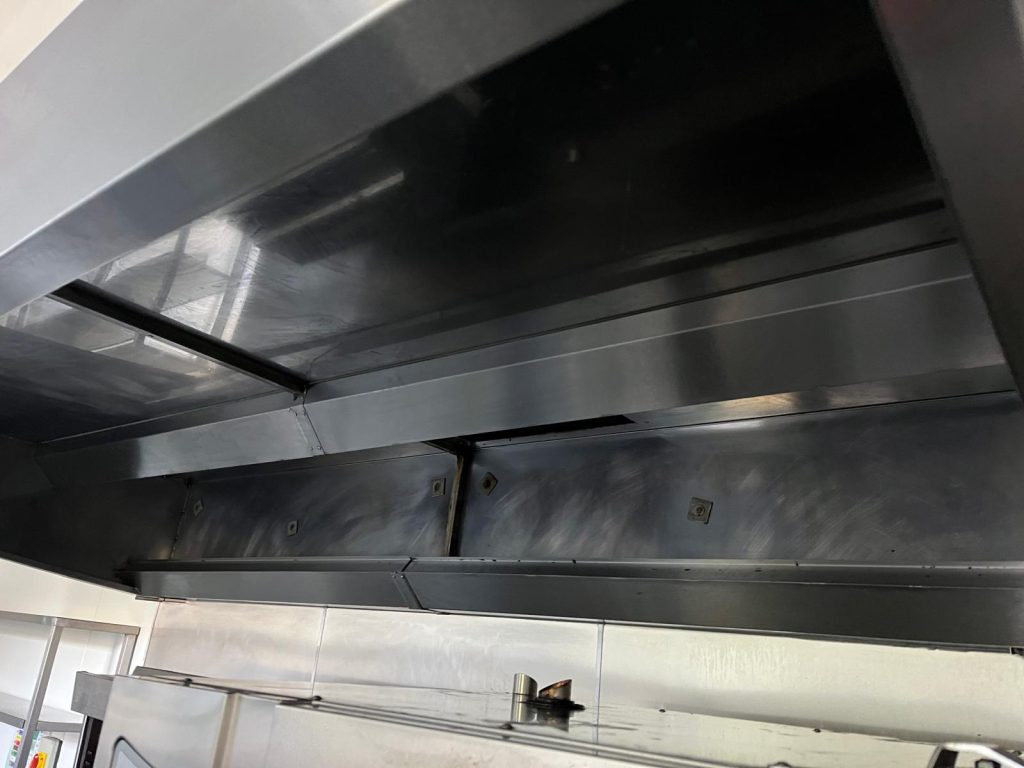
Extraction detail
Internal hood / plenum area
Close-up system imagery helps show the physical extraction environment beyond general kitchen presentation.

System identification
Visible extraction components
The hood and filter area provide a clear visual reference for the kitchen extraction system serving the cooking line.
Specialist maintenance has to fit around care, catering and the building.
The Park Manor project is commercially useful because it shows a real kitchen-extraction requirement inside an occupied care environment rather than an isolated plant room or empty restaurant.
For operators and facilities teams, the objective is to give the appointed contractor enough information to plan the work safely and realistically while keeping meal service, resident welfare and hand-back expectations visible from the start.
What should the home or estates team have ready?
The most useful starting information is usually operational rather than technical: what has triggered the work, when the kitchen can be released and what previous records already exist.
It shows why the operating environment matters as much as the physical system.
A care-home extract requirement can be technically familiar but operationally sensitive. Strong procurement connects the work to the real building and the people who still depend on it while maintenance is taking place.
Send the site information and records you already have.
EC Cleaners Network can help organise the commercial requirement, keep operating constraints visible and approach potentially appropriate independent specialist capability. You do not need to diagnose the technical system before contacting us.
This case study is based on the surviving EC Cleaners project record and photographs. It is presented as historic project evidence and should not be treated as a current condition assessment, care-regulatory conclusion, food-hygiene approval, fire-risk assessment, insurance opinion or retrospective technical approval of the original works. EC Cleaners Network is operated by Search and Submit Ltd. Search and Submit Ltd does not inspect, clean, test, survey, certify or technically approve kitchen extraction or ventilation systems. Independent appointed contractors and relevant competent professionals remain responsible for technical assessment, safe working, physical delivery, reporting, certification and professional conclusions within their appointed scope.